Kids Training Chopsticks Guide: Safety, Grip, and Practice Checks
Use this kids training chopsticks guide to compare safety, grip helpers, child size, cleaning, practice food, and when to switch to regular chopsticks.
Good kids training chopsticks should be child-sized, easy to clean, comfortable to hold, and used with short practice sessions. Grip helpers can be useful, but they should support coordination rather than force an adult grip too early.
Training chopsticks buying facts
- Use case
- Early table practice with supervision
- Material choice
- Smooth, washable, food-safe material
- Size range
- Shorter length and lighter weight for small hands
- Product risk
- Loose parts, hard-to-clean hinges, or slippery tips
- Practice setting
- Soft foods, short sessions, relaxed correction
Match the pair to small hands
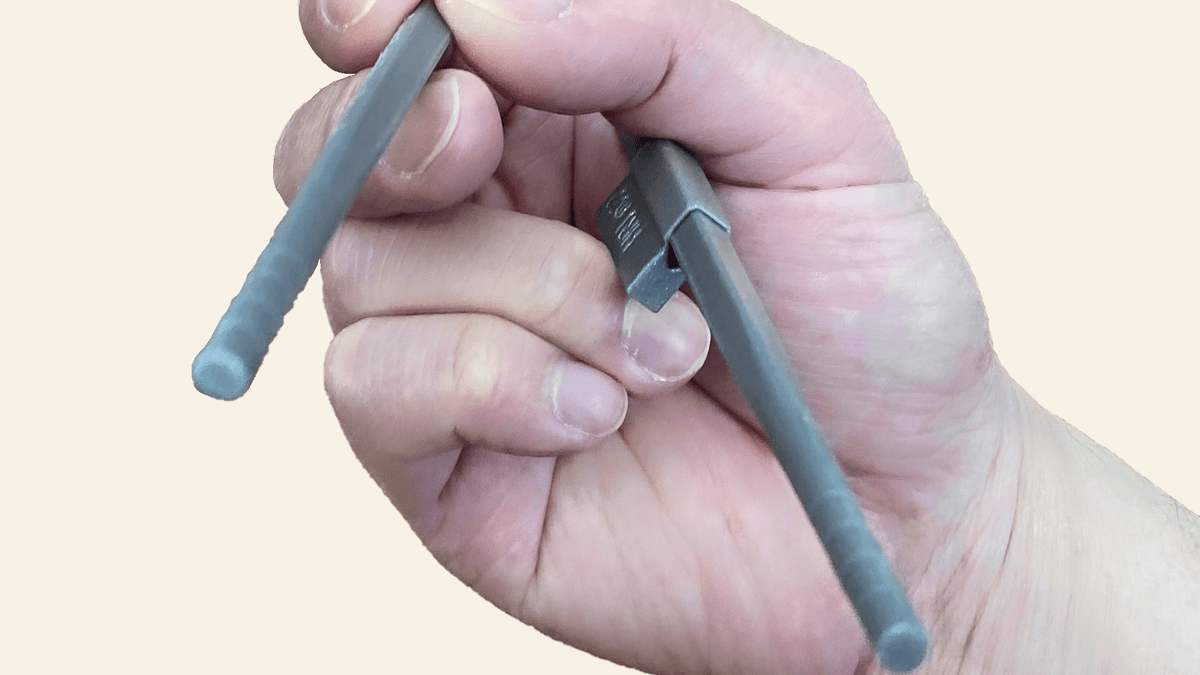
A training pair should fit the child's hand rather than imitate an adult chopstick length. Shorter, lighter chopsticks make the motion easier to understand.
If the tips are too slippery, the child may squeeze harder and lose control. A slightly textured tip often matters more than a playful handle shape. Parents should also compare the training pair beside the child's hand, because a colorful helper still fails if the sticks are too long, too heavy, or hard to open and close comfortably.
Check cleaning and loose parts
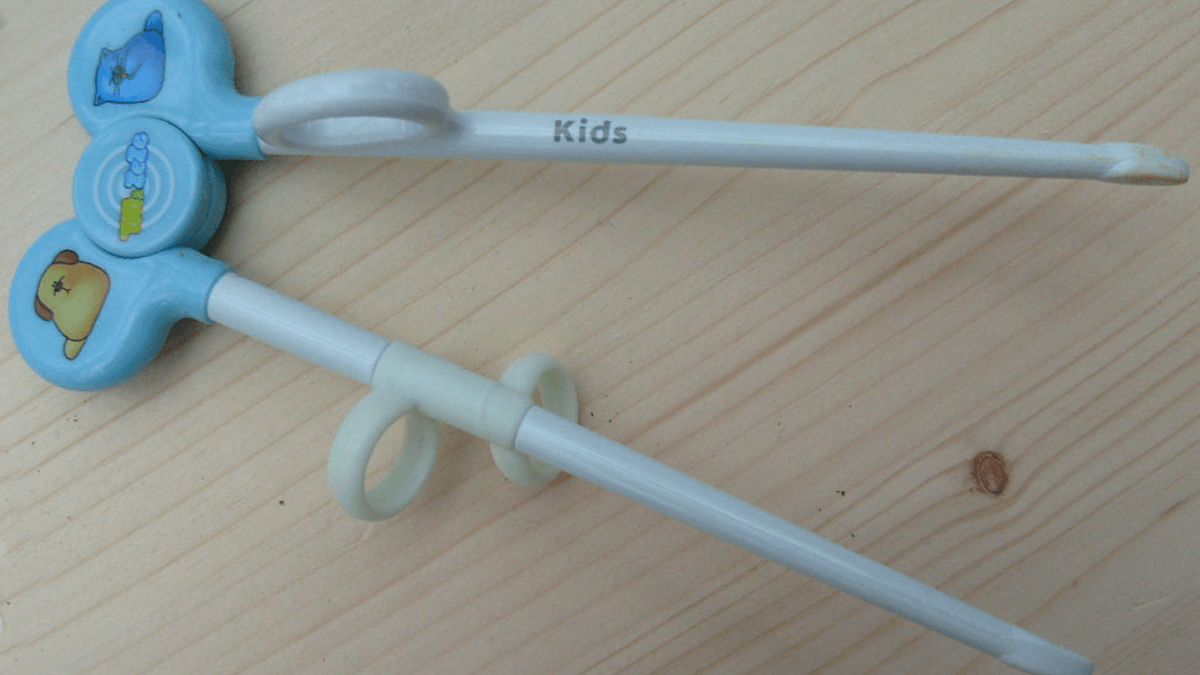
Training chopsticks often include rings, bridges, hinges, or decorative helpers. These parts should be secure and easy to wash.
For younger children, avoid pieces that detach easily. The safest choice is a tool that stays simple enough for a parent to inspect before each meal. Check whether food can collect around rings, hinges, or silicone parts, and whether the parts dry fully after washing. A product that looks clever but traps residue is a poor everyday practice tool.
Use practice food that rewards progress
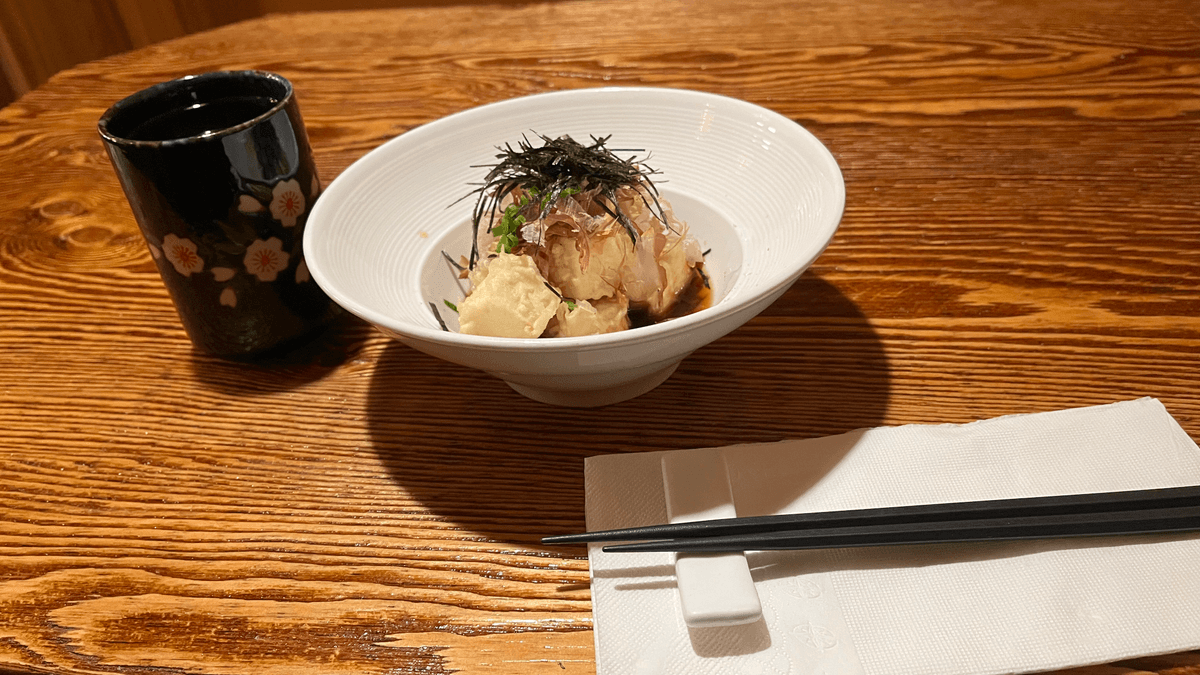
Start with foods that are easy to lift: soft vegetables, noodles cut short, tofu cubes, or larger rice clumps. Tiny or slippery foods make practice feel like a test.
Keep sessions brief. The goal is table confidence, not perfect technique in one meal. A few successful lifts with tofu, noodles, or soft vegetables teach more than a long session with tiny slippery foods. Stop before the child is tired, then repeat the same food setup later so progress feels familiar.
Parent buying sequence
- Compare length and weight before color.
- Inspect helpers, hinges, and rings for cleaning access.
- Choose foods that are easy to lift during practice.
- Switch gradually when the child can control tip pressure.
Training chopsticks questions
Are kids training chopsticks necessary?
Not always. They help some children learn motion and confidence, but regular short chopsticks can also work with patient practice.
What should parents check before buying?
Check size, material, loose parts, cleaning access, tip grip, and whether the helper suits the child's hand.
Which foods are best for practice?
Use larger, soft, easy-to-grip foods before trying tiny or slippery pieces.
When should a child switch to regular chopsticks?
Switch gradually when the child can hold food with steady tip pressure and no longer relies on the helper for every movement.