 Chopsticks Guide
Can You Use Chopsticks? A Beginner Guide for Real Meals
Can You Use Chopsticks? A Beginner Guide for Real Meals. Decide whether chopsticks fit a specific beginner eating situation, learn a stable first grip, and reco
Quick Answer: Most beginners can use chopsticks for suitable foods by keeping the lower stick stable and moving the upper stick toward it. Start with large, firm pieces in a shallow bowl, keep your grip relaxed, and use a spoon or fork when the food, physical comfort, or situation calls for one. Respect the host's table customs, avoid unsafe play, and treat technique as a learnable movement rather than a pass-or-fail performance.
Chopstick use, fit, and safety facts
- Food
- Large, firm, bite-size pieces
- Sticks
- Straight matched pair with some surface grip
- Dish
- Stable shallow bowl or plate
- Practice method
- Lower stick stays still; upper stick moves
- Pace
- Slow lifts over a short distance
- Comfort
- Relaxed hand without pain or numbness
Practice with a meal that gives you a fair chance
# Can You Use Chopsticks? A Beginner Guide for Real Meals Can you use chopsticks if you have never held them correctly, the food keeps slipping, or everyone else at the table seems faster? Usually, yes. The useful question is not whether you can copy a perfect grip immediately. It is whether the sticks, food, pace, and setting give you a manageable first task. Chopsticks are utensils, not a test of intelligence or cultural worth. A steady beginner method matters more than speed.
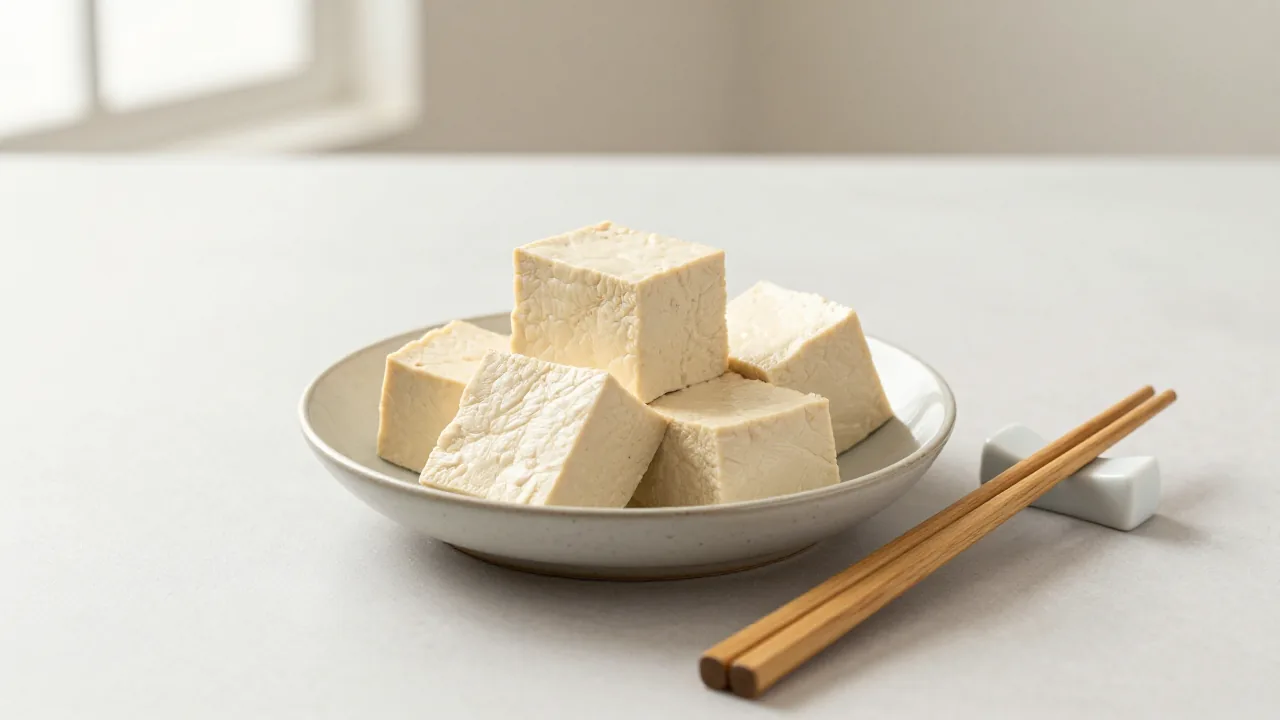
A first attempt goes better when the food cooperates. Large tofu cubes, thick vegetable pieces, dumplings, or other firm bite-size items give the tips a broad surface. Tiny grains, very slippery noodles, fragile flakes, and round peas demand finer control. Failure with a difficult item does not prove that you cannot use chopsticks; it may only show that the first task was poorly chosen.
Use a shallow bowl or plate so the target is visible. Sit close enough that you do not need to reach across the table. Place the dish on a stable surface, and keep a spoon nearby. The spoon is not evidence of failure. It is the right tool for broth, loose rice in many settings, sauces, and anything that becomes awkward or unsafe to lift.
The sticks matter too. A beginner often gets more feedback from plain wooden or bamboo chopsticks than from highly polished metal or lacquered surfaces. The exact material is less important than a matched pair that is straight, clean, undamaged, and comfortable in length. The best chopsticks for beginners guide explains those material and shape tradeoffs in more detail.
Before eating, make one dry test. Bring the tips together over the empty plate and check whether they meet evenly. If one tip crosses far past the other, realign the sticks in your hand. Correcting alignment before lifting food is easier than squeezing harder after a piece begins to slip.
Build control with two separate jobs
The most useful beginner idea is that the two sticks do not perform the same job. The lower stick forms a stable rail. It rests against the base of the thumb and is supported by a finger lower in the hand. The upper stick works more like a pencil, controlled by the thumb, index finger, and middle finger. When the upper stick closes toward the lower one, the tips pinch the food.
Do not try to animate both sticks. If the lower stick moves each time the upper one moves, the tips often cross or form a wide V. Reset the lower stick first. Let it sit without muscular squeezing. Then open and close only the upper stick ten times over an empty dish. Watch the tips rather than the backs of the sticks.
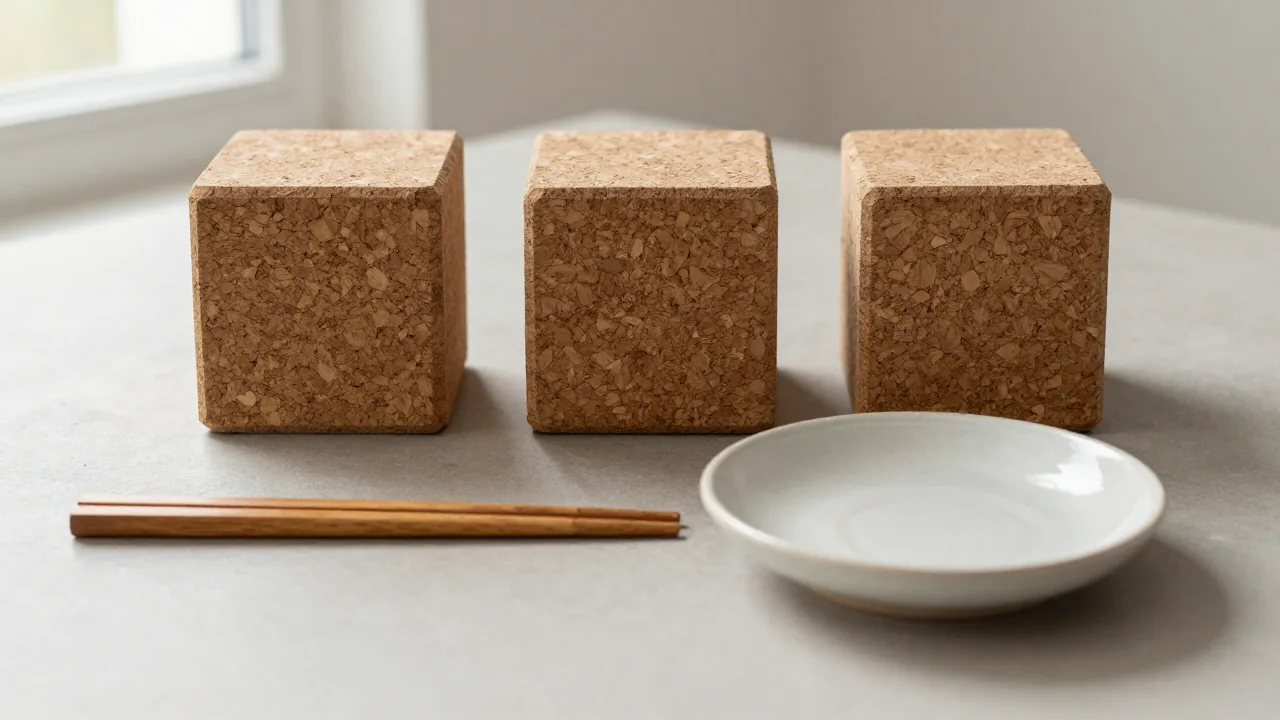
Next, move three large practice pieces from one dish to another. Cork cubes or dry pieces of firm food work well. Lift only a short distance. If a piece falls, place it back and inspect the tip alignment. Gripping harder is rarely the best first correction; it can make the hand tense and reduce precision.
The detailed how to use chopsticks tutorial covers hand position step by step. Use it as a motion reference, then return to a real meal. Repeating a small successful movement with suitable food usually teaches more than holding the sticks in the air for a long time.
Choose a technique for the food, not one dramatic trick
Not every bite should be pinched in exactly the same way. A cube can be held across two broad faces. A bundle of noodles can be gathered in a modest portion and guided from a close bowl. A dumpling needs support without piercing or crushing its wrapper. A piece that breaks under pressure asks for a gentler grip or another utensil.
Avoid spearing food as a substitute for control unless a specific setting treats that use as acceptable. Do not wave the sticks, drum with them, point them at another diner, or put them in your mouth while reaching for something else. These habits reduce control and may be considered rude or unsafe.
If the food is too hot, cool it according to the meal's normal practice rather than holding it precariously in the air. If sauce drips across the table, shorten the travel distance. Move your personal bowl closer if the setting permits. Practical control is often a matter of reducing distance and choosing a smaller bite.
Children and first-time users need a calm setup. Chopsticks are not toys, and broken disposable sticks can splinter. Small training aids also require supervision where loose components could be a choking risk. Stop if the sticks crack, if the hand hurts, or if a rushed setup turns the meal into unsafe play.
At a shared table, technique is only half the task
Using chopsticks well includes noticing who else is eating. Shared-dish customs vary by household, restaurant, and region. Use designated serving utensils when they are provided. If the table uses communal chopsticks, do not substitute the eating ends of your personal pair. When the practice is unclear, observe the host or ask briefly.
Do not plant chopsticks upright in a bowl of food. Do not reach over another person, search through a shared dish for a preferred piece, or transfer food directly from one pair of chopsticks to another without knowing the local meaning. The chopstick etiquette page gives a broader orientation, but it cannot replace the conventions of the actual table.
Etiquette is not one identical rulebook across all chopstick-using communities. Chinese, Japanese, Korean, Vietnamese, diaspora, restaurant, and household practices overlap in some ways and differ in others. The Smithsonian Libraries record for a book on utensil and table-manner history is a useful reminder that tools and manners develop in cultural contexts rather than appearing as one universal technique.
A considerate beginner can be slower than an experienced diner and still participate well. Take a reasonable portion, keep the serving area clean, and choose another utensil before repeated drops disturb a shared dish. Good judgment at the table matters more than proving that every item can be captured with chopsticks.
Troubleshoot the motion you can actually see
When the tips cross, first compare where the sticks sit in the hand. They may start at different depths, or the lower stick may be rotating. Align their ends, return the lower stick to its support point, and test the upper stick alone. A small reset is better than twisting both sticks while holding food.
When food shoots outward, the tips may be closing at an angle. Practice touching the tips together without a target. Then pick up a wide object across its flatter sides. If smooth metal sticks are part of the problem, try a clean textured pair rather than treating excessive force as the solution.
When the hand tires quickly, loosen the grip and reduce the number of practice repetitions. The sticks should not be clamped against the joints. Short practice during an ordinary meal is enough. Persistent pain, weakness, numbness, or restricted movement is outside the scope of a utensil tutorial and deserves appropriate professional guidance rather than a promise that one grip will fix it.
When noodles or rice remain difficult, separate the utensil question from the food question. A spoon may be normal and efficient for part of the meal. Competence does not mean refusing every other utensil. It means choosing a safe, respectful tool and using it with reasonable control.
Decide whether chopsticks fit this particular meal
Ask four questions before forcing the technique. Is the food large and firm enough for your current control? Are the chopsticks intact, matched, and comfortable? Can you move the bite over a short, clear path? Does the setting make this use appropriate? Four yes answers create a good practice opportunity.
If one answer is no, adjust the condition. Cut a large piece into a manageable bite with the proper utensil. Replace a damaged pair. Bring the bowl closer. Use serving chopsticks for the shared plate. Switch to a spoon for broth. None of these adjustments invalidate the skill you are learning.
Also consider cleanliness. Wash reusable chopsticks according to their material and dry them fully before storage. Discard disposable sticks that are visibly damaged or dirty. Do not share personal utensils in situations where hygiene rules call for separate service. This is ordinary food-handling judgment, not a claim that one chopstick material guarantees health.
The answer to “can you use chopsticks?” can therefore be conditional and honest: you can use them for the foods and settings you can currently manage, and you can expand that range through calm practice. That answer is more useful than either embarrassment or bravado.
Practice one controlled chopstick movement
- Choose a straight, clean, matched pair with comfortable surface grip.
- Start with large, firm food in a stable shallow dish.
- Rest the lower stick and keep it still.
- Move the upper stick until the tips meet evenly.
- Lift one piece over a short path and lower it deliberately.
- Reset alignment instead of squeezing harder after a slip.
- Use serving utensils and follow the actual table's etiquette.
- Switch utensils for broth, unsafe pieces, pain, or poor control.
- Practice accuracy before speed.
Questions about using chopsticks
Can everyone learn to use chopsticks?
Many people can learn a functional technique, but bodies, mobility, sensation, and comfort differ. Adaptive chopsticks or another utensil may be more usable for some people. The goal is safe access to the meal, not conformity to one grip.
What food should a beginner try first?
Use large, firm pieces such as tofu cubes, thick vegetables, or sturdy dumplings. Avoid making tiny grains, slippery noodles, or round foods the first test of your ability.
Should both chopsticks move?
In the common beginner method, the lower stick remains stable while the upper stick opens and closes. If both swing, the tips are more likely to cross.
Is it rude to use a fork instead?
Not inherently. Context matters, and hosts generally care more about respectful participation than a performance. Use the available utensil that lets you eat safely and neatly.
Can I spear food with a chopstick?
It is better not to rely on spearing as a beginner shortcut. It can damage food, reduce control, and conflict with table etiquette. Use a fork when piercing is the practical method.
How long does it take to become comfortable?
There is no fixed timeline. Brief, regular practice with manageable foods builds control more reliably than one long, tense session. Measure progress by fewer slips and steadier movement, not by matching another diner's speed. You do not need a flawless grip to begin. You need an intact pair, a manageable bite, a stable lower stick, and permission to choose another utensil when the situation demands it. That combination makes chopsticks a practical skill instead of an unnecessary test.