 Chopsticks Guide
Disposable vs Reusable Chopsticks: Meal Context, Waste, and Care
Compare disposable vs reusable chopsticks by meal context, grip, cleanup, storage, and event use so the better choice stays practical after the table is cleared.
Disposable vs reusable chopsticks is a meal-context decision: disposable pairs suit takeout, travel, and one-off service, while reusable pairs fit routines where grip, washing, drying, and storage are easy to maintain.
Disposable and reusable chopstick checks
- Fastest use case
- Disposable pairs suit takeout counters, travel stops, and one-off meals where washing is not realistic.
- Longer-term use case
- Reusable pairs fit home tables, packed lunches, and routines where grip, cleaning, and storage matter every day.
- Comfort difference
- Texture, length, and tip control usually matter more than the label disposable or reusable on their own.
- Cleanup question
- The real comparison is whether you want to wash, dry, and store the pair after the meal or discard the wrapper and move on.
- Claim limit
- The better choice depends on meal context, hygiene workflow, and table use, not one universal rule for every diner.
Start with the meal context instead of arguing from principle
Disposable and reusable chopsticks solve different table problems. A wrapped disposable pair is often easiest when the meal is temporary: takeout at work, a picnic stop, an airport noodle bowl, or an event where washing stations are limited. A reusable pair makes more sense when the meal is part of a routine and the pair can be cleaned, dried, and stored without friction.
That is why the first useful question is not which option is morally better in the abstract. Ask where the chopsticks will be used, who is carrying them, and whether the meal ends near a sink, dishwasher, or drying rack. A weak comparison jumps straight to slogans; a useful one begins with the meal setup you actually have.
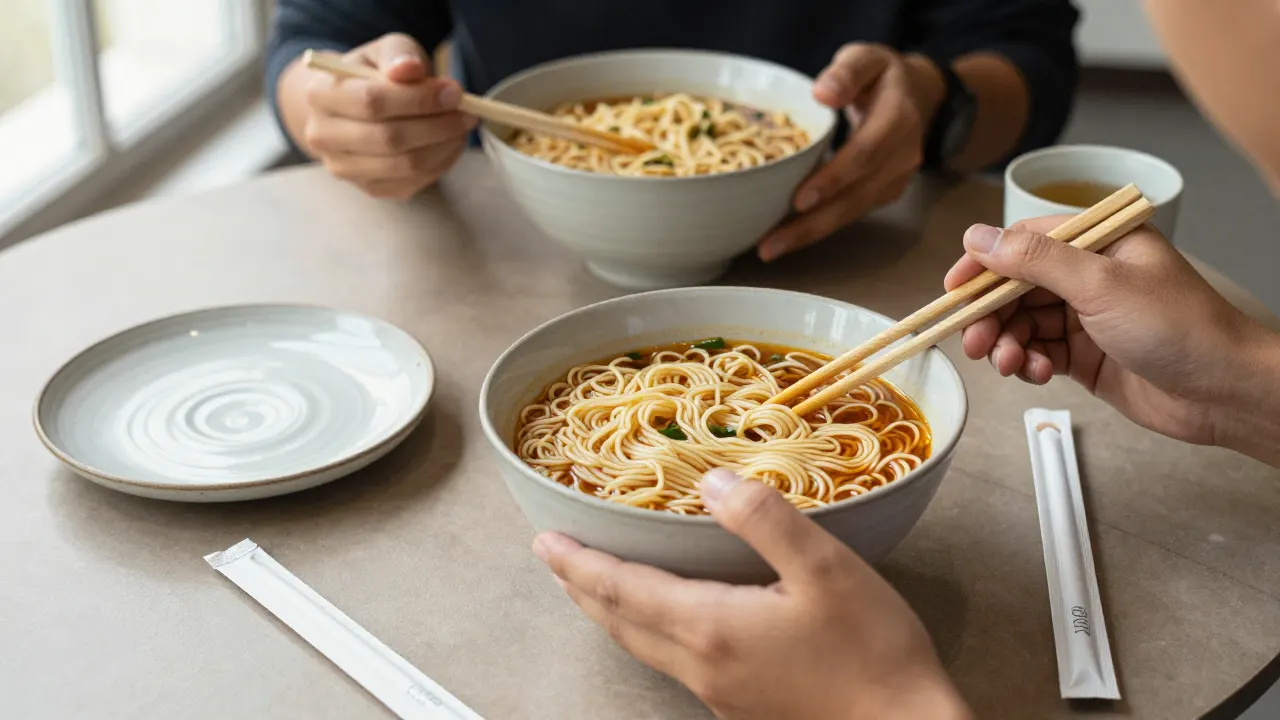
Compare grip, tip control, and comfort before you compare labels
A disposable wooden pair can feel surprisingly easy for noodles or rice because the tips often have mild texture and the weight stays low. A reusable pair can feel better or worse depending on the material, finish, and shape. Stainless steel can feel neat and durable but slippery for some beginners. Fiberglass can be practical and dishwasher friendly. Bamboo and wood often feel warmer in the hand but need more careful drying.
This is where the label reusable does not answer enough. If the pair will be used often, grip texture, tip alignment, and length are what the diner notices first. A reader choosing between the two categories should compare what happens at the food, not just what happens after the meal.
Use cleanup and storage to decide whether reusable will stay convenient
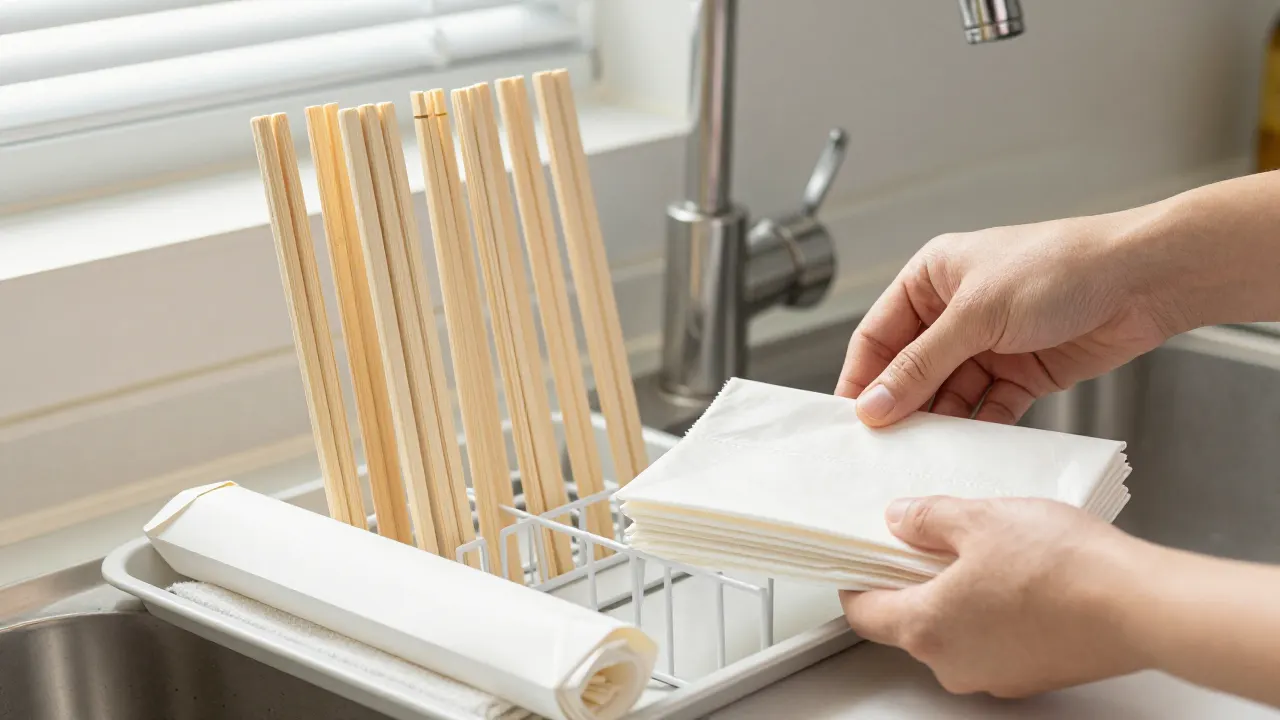
Reusable chopsticks earn their place when the cleanup routine is stable. If the pair can be washed soon after the meal, dried fully, and stored in a case or drawer without staying damp, the reusable option stays straightforward. If the pair will spend hours loose in a bag after lunch or be stacked wet in a crowded sink, the convenience gap narrows quickly.
Disposable pairs remove that maintenance step, which is why they still appear in offices, food stalls, and one-off shared meals. That does not automatically make them the best choice for home use. It means the comparison should include your cleanup tolerance as part of the buying decision.
For events and shared tables, choose the option that keeps service clear
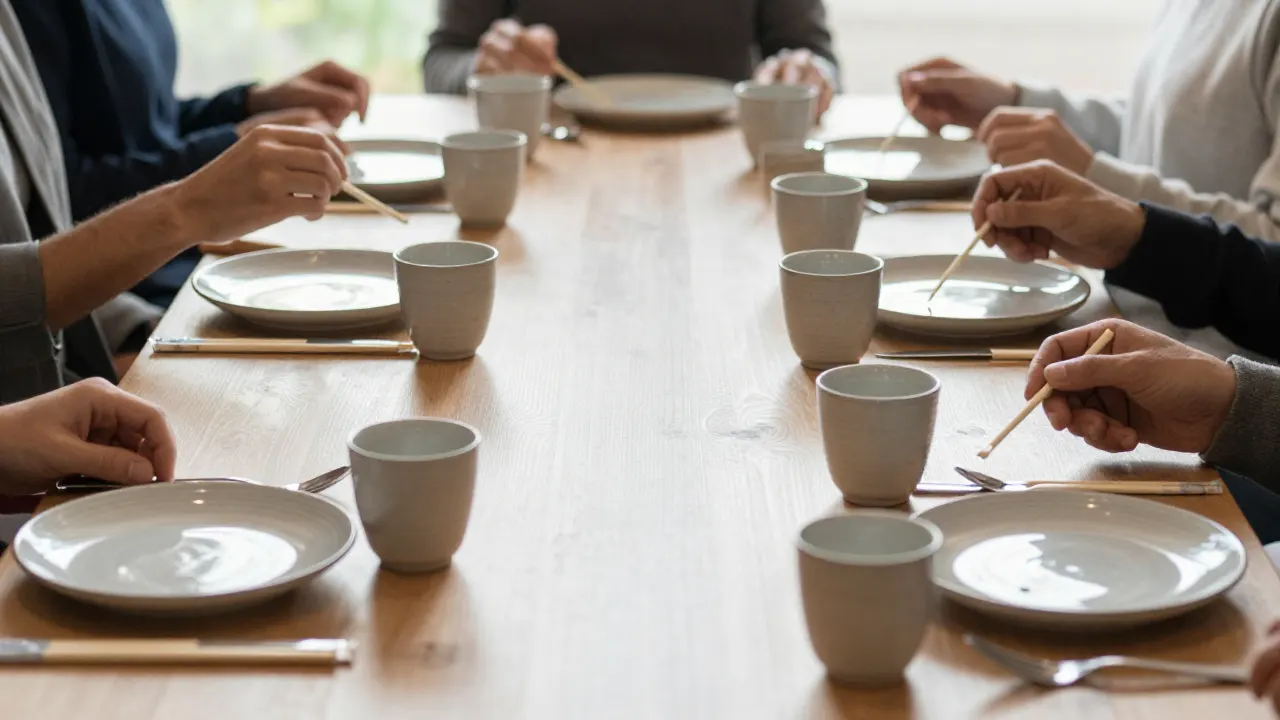
Large group meals, class events, tastings, and casual wedding favor setups often need a predictable distribution method. Disposable pairs can simplify counting and quick reset. Reusable pairs can work when the host wants a more polished table and already has a washing and storage plan after service. The right answer depends on whether the event prioritizes speed, presentation, or repeat use.
This is also where packaging matters. A reusable set in a case can feel cleaner and more intentional than a loose pair. A disposable pair in a rough paper sleeve may be fine for a simple lunch but less useful for a gift or formal place setting. The table context should shape the choice, not the other way around.
Treat the decision as a routine choice, not a permanent identity
Many households use both. Reusable chopsticks can stay at home or in a lunch bag, while disposable pairs handle backup meals, guests, or travel days when washing is uncertain. That mixed approach is often more realistic than trying to force one format into every situation.
A good comparison ends with a practical next step: choose one meal context, check grip and cleanup, and see whether the pair still feels convenient after the table is cleared. That tells the reader more than a broad claim ever could.
Disposable versus reusable decision path
- Name the meal context first: home table, lunch bag, travel, takeout, or event service.
- Check whether grip and tip texture matter more than category wording for the foods you eat most.
- Decide whether you will reliably wash, dry, and store a reusable pair after the meal.
- Use event packaging and distribution needs before choosing one format for a group setting.
- Keep a mixed setup if different meal situations need different chopstick formats.
Disposable and reusable chopstick questions
Are reusable chopsticks always better than disposable chopsticks?
No. Reusable chopsticks work well when washing, drying, and storage are easy. Disposable chopsticks can still be practical for takeout, travel, or one-off meals where cleanup is the real constraint.
What should I compare first: material or disposable versus reusable?
Start with meal context and food control, then compare material. Grip, tip texture, and cleanup routine usually explain more than the category label by itself.
Are disposable chopsticks easier for beginners?
They can be, especially when the pair has light weight and slightly textured tips. Some reusable materials also work well for beginners, so comfort and control should be checked in hand rather than guessed from the category.
Can one household keep both disposable and reusable chopsticks?
Yes. That is often the most practical setup. Reusable pairs can cover regular meals, while disposable pairs handle backup situations, guests, or travel when washing is inconvenient.