 Chopsticks Guide
How to Decide When to Replace Wooden Chopsticks
A focused guide to how often replace wooden chopsticks, with facts, practical checks, context, and clear limits.
Quick Answer: How often to replace wooden chopsticks depends on material, finish, use, cleaning, and storage. Follow maker instructions for the exact pair.
Condition matters more than a fixed replacement date
- Replacement method
- How often to replace wooden chopsticks depends on material, finish, use, cleaning, and storage.
- Inspection step
- Deep cracks, splinters, peeling finish, or persistent roughness need attention.
- Alignment step
- Warping can make a pair difficult to align and clean.
- Cleaning result
- Persistent odor after proper cleaning can indicate replacement is prudent.
- Care instructions
- Follow maker instructions for the exact pair.
Why there is no universal replacement calendar
Wood species, finish, frequency of use, washing method, and drying conditions all change how quickly chopsticks wear. A pair used daily cannot be judged by the same calendar as an occasional serving pair. This distinction gives the reader a concrete field to verify before moving to the next part of the decision.
Manufacturer instructions are the first reference because coated, lacquered, bamboo, and unfinished wooden utensils may have different care limits. Generic monthly rules can be too early for one pair and too late for another. Keeping the source and context visible prevents a convenient shorthand from becoming a broader unsupported claim.
Create a routine inspection interval instead of a promised lifespan. Looking at the pair during normal washing is easier to sustain than relying on a date that ignores condition. The check is repeatable because another reader can inspect the same object, record, or instruction rather than relying on a promise.
Food-contact safety decisions should follow visible condition and official care advice. Replacement is prudent when the surface can no longer be kept smooth, clean, and intact. That boundary preserves the useful cultural or practical information while making clear where independent evidence is still required.
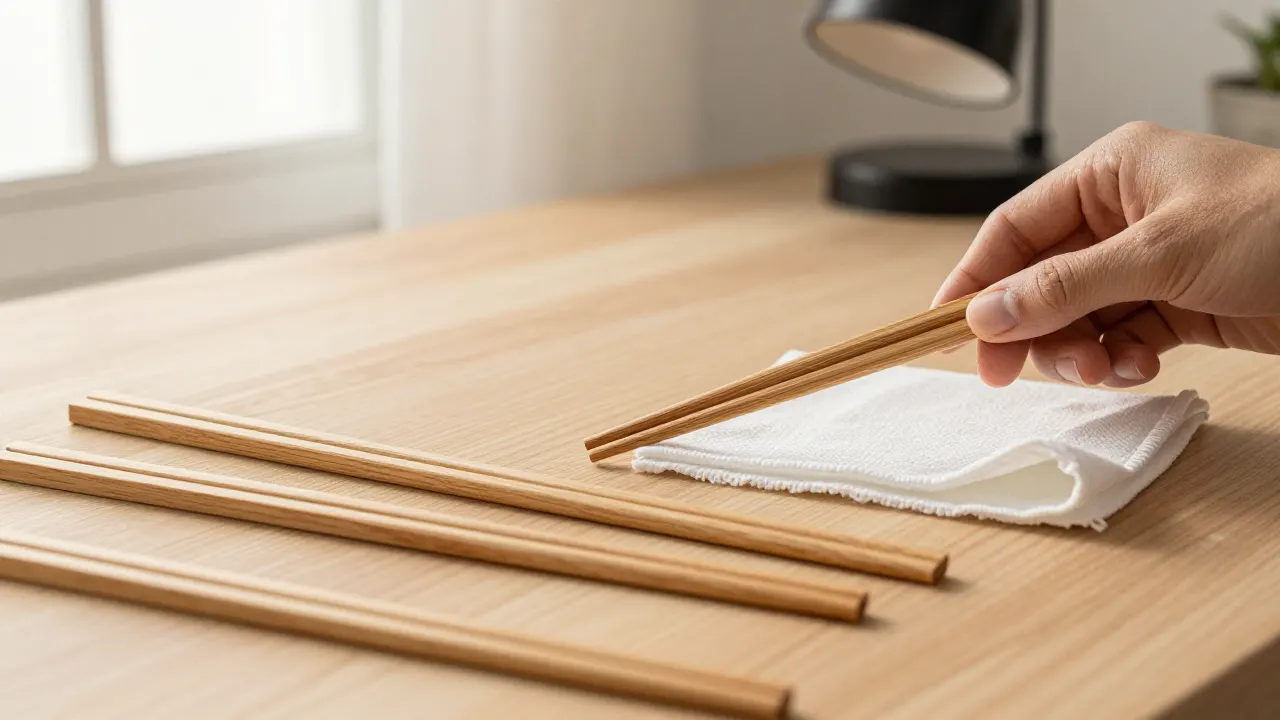
Surface checks under bright light
Rotate each chopstick under good light and inspect the tips, gripping area, and places where fingers repeatedly touch. Splinters, deep cracks, peeling finish, or persistent roughness deserve attention. Keeping the source and context visible prevents a convenient shorthand from becoming a broader unsupported claim.
Minor color variation in natural wood is not automatically damage. Compare texture and integrity rather than expecting every pair to remain visually uniform. The check is repeatable because another reader can inspect the same object, record, or instruction rather than relying on a promise.
Run a clean fingertip gently along the dry surface without pressing into damaged areas. A raised fiber that returns after appropriate care can make cleaning difficult and may irritate the mouth or hand. That boundary preserves the useful cultural or practical information while making clear where independent evidence is still required.
Do not sand or refinish food-contact chopsticks unless the maker explicitly supports that maintenance. An improvised coating can create a new uncertainty. This distinction gives the reader a concrete field to verify before moving to the next part of the decision.
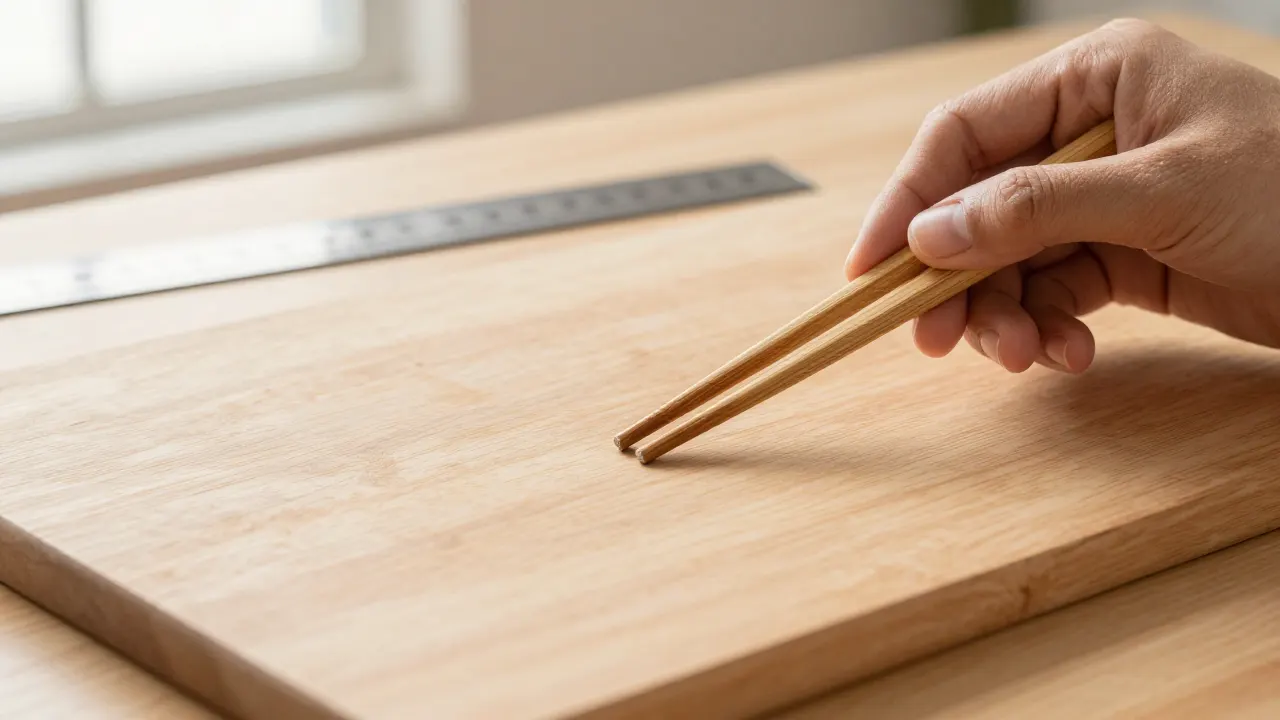
Straightness, pairing, and grip
Place the cleaned, dry pair side by side on a flat surface. Warping can make tips misalign, reduce grip, and create spaces that are harder to wash consistently. The check is repeatable because another reader can inspect the same object, record, or instruction rather than relying on a promise.
Roll each stick gently to notice a pronounced bow. A slight handmade variation may be normal, but a shape change that affects use is a practical replacement signal. That boundary preserves the useful cultural or practical information while making clear where independent evidence is still required.
Check whether the two sticks still form a usable pair. Uneven wear at the tips or a damaged mate can justify replacing both rather than mixing unrelated materials and lengths. This distinction gives the reader a concrete field to verify before moving to the next part of the decision.
Straightness is not the only criterion, but it links condition to function. A pair that cannot grip predictably may encourage excess force and awkward handling. Keeping the source and context visible prevents a convenient shorthand from becoming a broader unsupported claim.
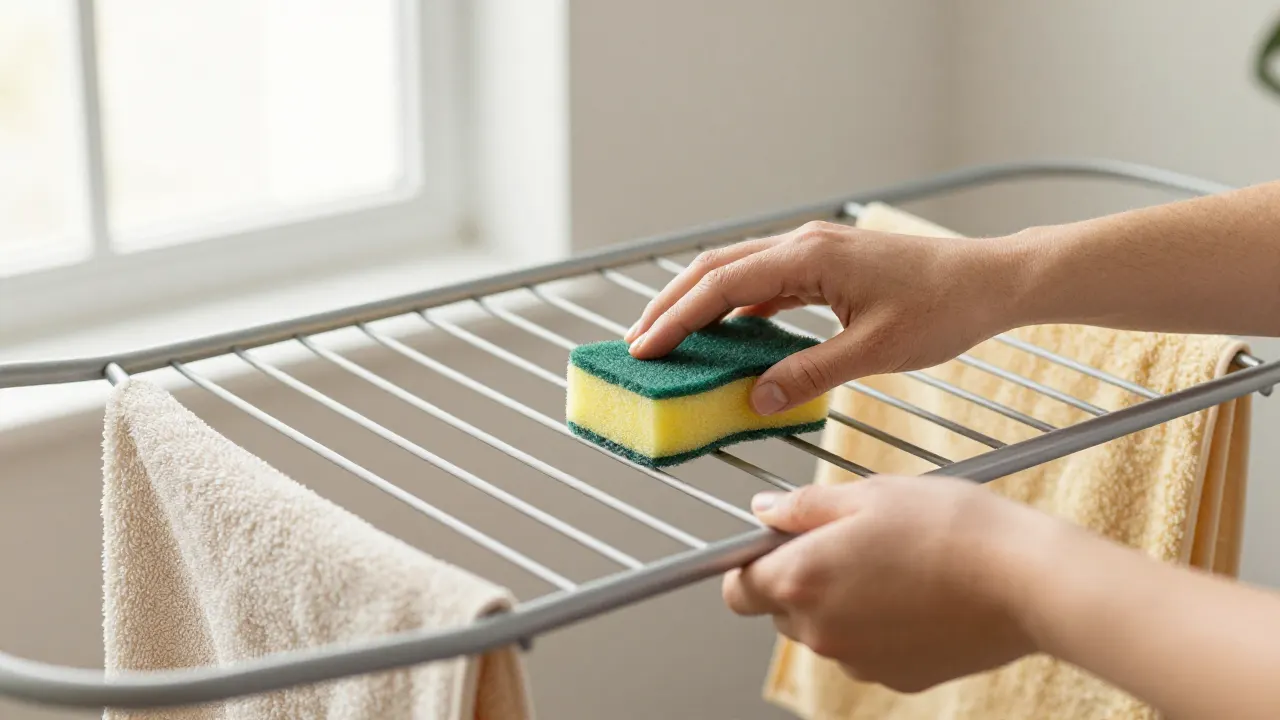
Odor, staining, and cleaning results
Wash according to the maker’s instructions, rinse thoroughly, and allow complete airflow drying. Evaluate odor only after the pair is clean and dry, because food residue or a damp holder can confuse the result. That boundary preserves the useful cultural or practical information while making clear where independent evidence is still required.
Persistent unusual odor, residue trapped in cracks, or a finish that remains tacky after proper cleaning indicates that ordinary care is no longer restoring the surface. This distinction gives the reader a concrete field to verify before moving to the next part of the decision.
Staining alone is not always a safety failure, particularly with porous natural materials, but a stain accompanied by roughness, cracks, or odor deserves more caution. Keeping the source and context visible prevents a convenient shorthand from becoming a broader unsupported claim.
Also inspect the storage environment. Replacing chopsticks without correcting a damp, crowded holder may cause the same problem to return. The check is repeatable because another reader can inspect the same object, record, or instruction rather than relying on a promise.
A replacement decision and a better care routine
Replace the pair when splinters, deep cracks, peeling finish, severe warping, or persistent odor cannot be resolved through approved cleaning and drying. Do not wait for several defects to accumulate. This distinction gives the reader a concrete field to verify before moving to the next part of the decision.
After replacement, reduce avoidable wear by washing promptly, avoiding prolonged soaking unless allowed, and drying with space between utensils. Keep the holder clean and ventilated. Keeping the source and context visible prevents a convenient shorthand from becoming a broader unsupported claim.
Dishwasher suitability depends on the exact product. Heat and long wet cycles can damage some wooden finishes, so the label or maker guidance should override a broad rule. The check is repeatable because another reader can inspect the same object, record, or instruction rather than relying on a promise.
Record the failure that prompted replacement. That small note helps choose a more suitable material or improve storage rather than repeating the same care problem. That boundary preserves the useful cultural or practical information while making clear where independent evidence is still required.
A simple household log can improve the next replacement decision without imposing a universal schedule. Note the purchase material and finish, the maker’s care instructions, the approximate use frequency, and the condition that eventually ended service. If roughness followed repeated soaking, change the washing routine; if odor followed crowded storage, clean or replace the holder and improve airflow; if warping followed dishwasher use that the label prohibited, keep the next pair out of that cycle. The log should not encourage continued use of a damaged pair merely to reach a target age. Condition remains the controlling factor. It can, however, reveal whether a different material would suit the household better. Stainless steel, fiberglass, lacquered, bamboo, and unfinished wood have different handling and care profiles, so replacement history can guide a future comparison. The practical objective is not to maximize years at all costs; it is to maintain a pair that is smooth, functional, and cleanable under the intended routine.
Replacement decisions should also distinguish cosmetic change from functional damage. A slight color shift in otherwise smooth, odor-free wood is not the same as a splinter, peeling finish, persistent smell, or pair that no longer aligns. Follow the maker's material-specific instructions when they are available, because coatings and composite construction change what can be cleaned safely. When those instructions conflict with a generic household tip, the product guidance is the better starting point. Replace immediately when safe cleaning and comfortable handling are no longer reasonably possible.
Five-point wooden chopstick inspection
- Read the maker care instructions
- Inspect tips and finish under bright light
- Check straightness and tip alignment
- Evaluate the clean, dry pair for odor
- Replace damage that prevents smooth cleaning
Wooden chopstick replacement FAQ
How often should wooden chopsticks be replaced?
There is no universal interval; inspect material, finish, cleaning results, and storage condition.
Do small cracks require replacement?
Deep or spreading cracks and trapped residue are stronger replacement signals than superficial grain lines.
Can warped chopsticks still be used?
Replace them when warping prevents alignment, grip, or reliable cleaning.
Is staining alone a reason to discard them?
Not always, but staining combined with roughness, odor, cracks, or finish damage needs caution.
How can a new pair last longer?
Follow maker instructions, wash promptly, avoid unsupported soaking or dishwasher use, and dry with airflow.