 Chopsticks Guide
How You Use Chopsticks: Grip, Motion, and Practice Steps
Learn how you use chopsticks with a stable lower stick, moving upper stick, beginner practice sequence, and common grip corrections.
Quick Answer: How you use chopsticks starts with a stable lower stick, a movable upper stick controlled by thumb, index, and middle finger, and slow practice on larger pieces before small or slippery foods.
Chopstick grip facts
- Method
- Lower stick stays steady while the upper stick moves.
- Practice
- Begin with larger, dry pieces before slippery items.
- Step
- Align tips before lifting food.
- Mistake
- Crossing often means the upper stick is moving sideways.
- Tools
- Chopstick length and material affect comfort.
Place the lower chopstick first
The lower chopstick is the anchor. Rest it where it feels stable between the thumb area and ring finger instead of trying to move both sticks equally.
A stable lower stick gives the upper stick something to close against. If the lower stick rolls, the whole grip feels weak no matter how hard you squeeze.
Start without food. Open and close the upper stick while checking that the lower stick stays mostly still.
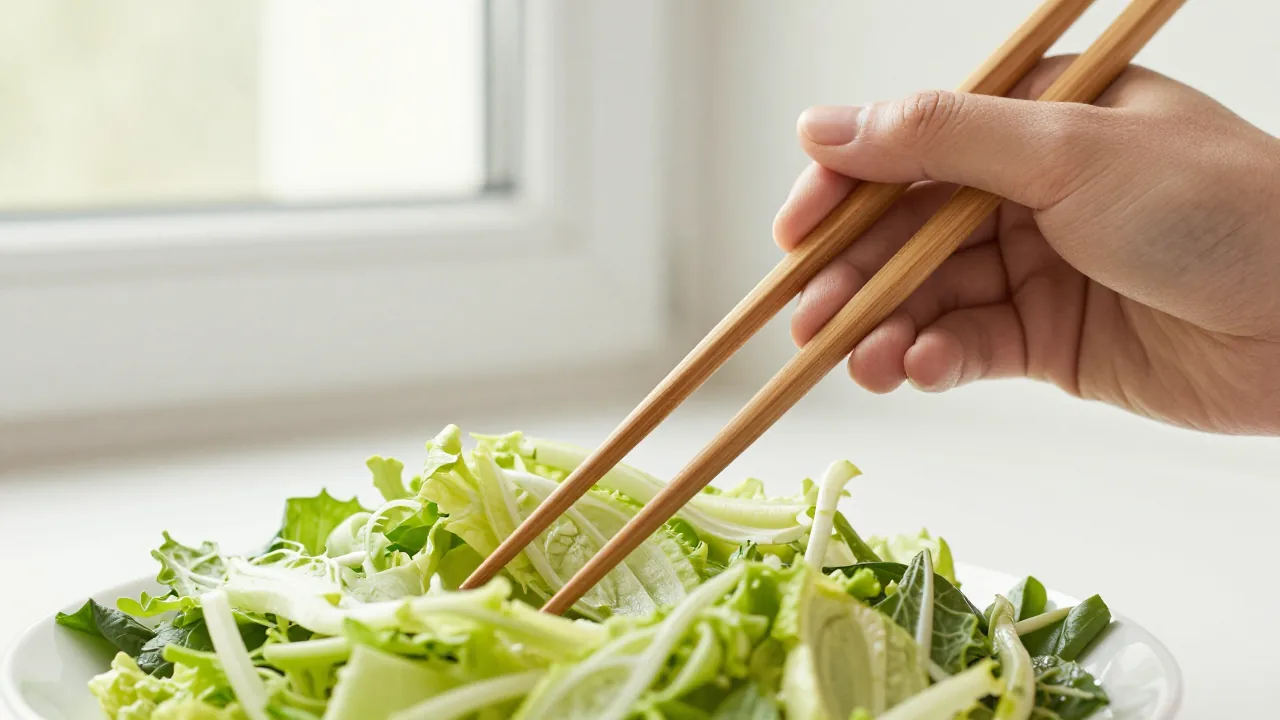
Move the upper chopstick in small strokes
The upper chopstick is the part that does most of the motion. It is controlled by the thumb, index finger, and middle finger in a small hinge-like movement.
Keep the tips aligned before practicing on food. Misaligned tips make objects twist, slide, or pop away.
Use small strokes. Wide opening and hard pressure usually make the sticks cross or pinch the food unevenly.
Practice with large dry pieces first
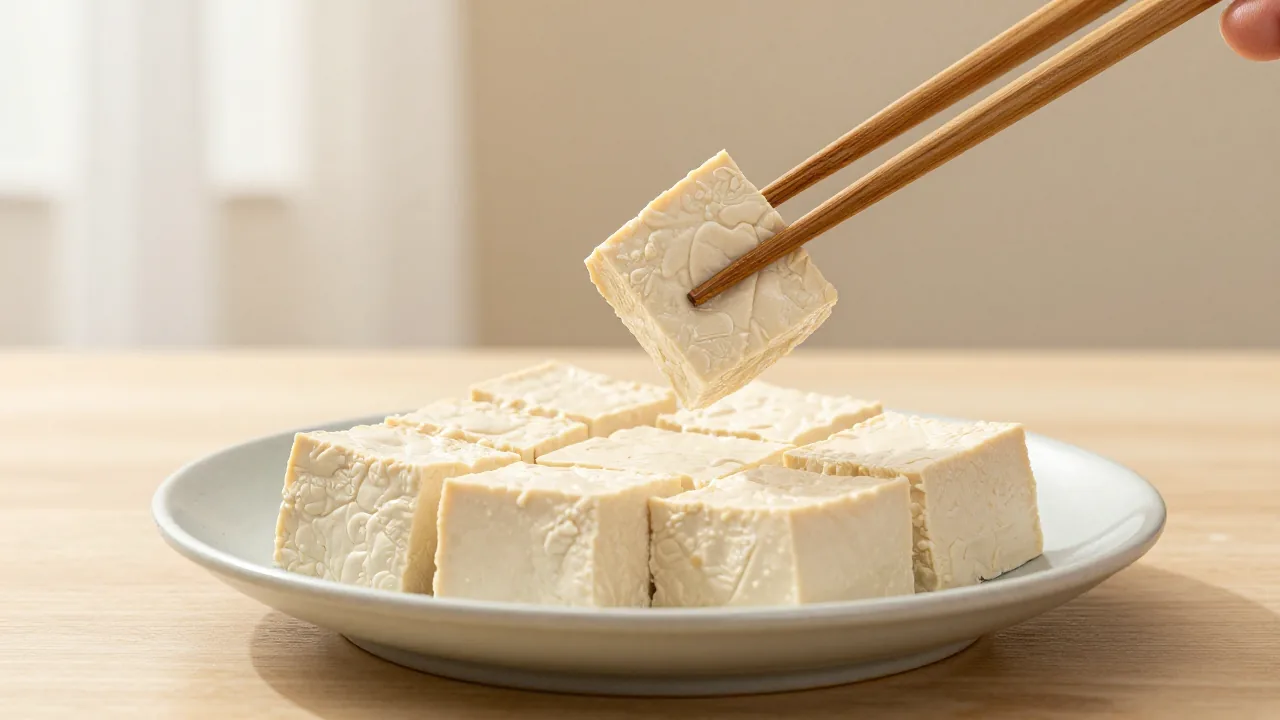
Choose large, dry practice items before rice grains, noodles, or slippery vegetables. A cube of firm tofu, a piece of bread, or a large vegetable piece is easier to control.
Lift, pause, and put the piece down. Repeating that short motion builds control without turning practice into frustration.
Once the grip feels steady, move to smaller or softer foods. Do not rush straight to the most difficult item on the plate.
Fix crossing and slipping problems
If the chopsticks cross, check whether the upper stick is moving sideways instead of up and down. Reset the tip alignment before trying again.
Set both tips on the table for a moment and make them parallel before picking up another piece. This short reset is more useful than repeating the same crooked motion until the hand gets tired.
If food slips, reduce pressure and aim the tips at the center of the piece. Squeezing hard can flatten or launch soft food.
If your hand hurts, relax and shorten the session. Grip strength is less important than controlled motion.
Adapt length and material to your hand
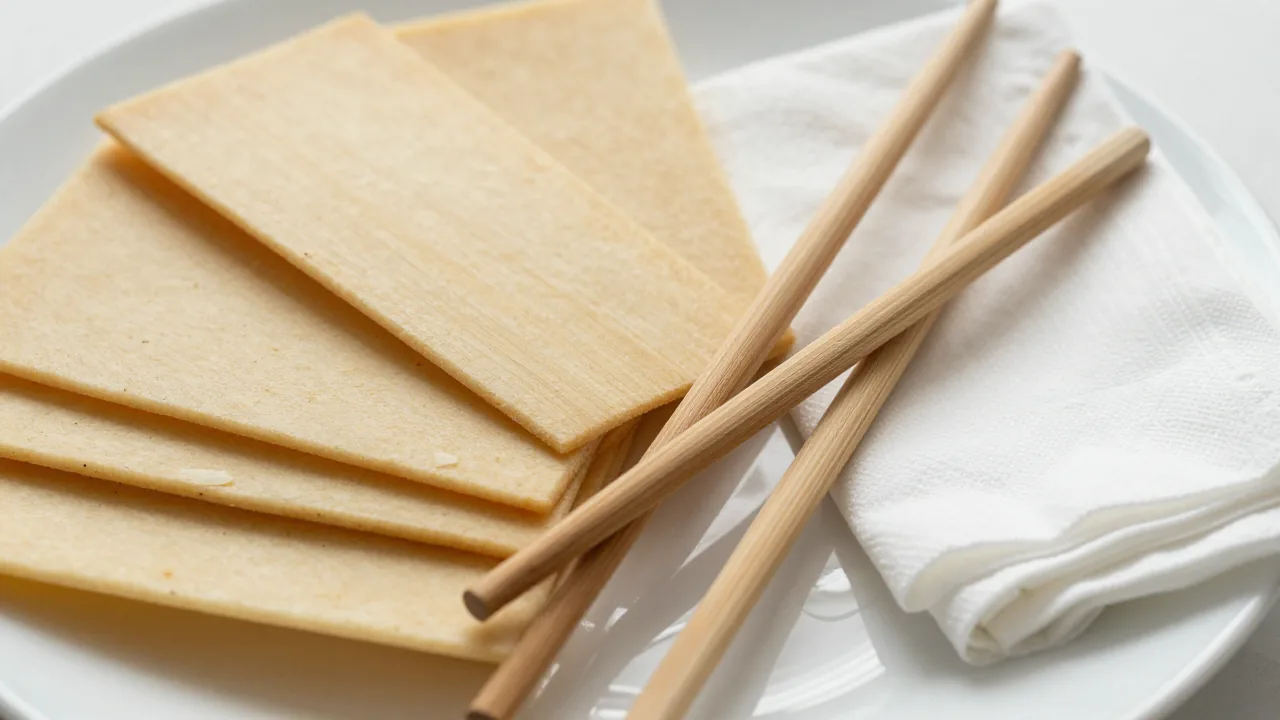
Chopstick length, taper, and material change the feel of the grip. Very smooth metal or lacquer can be harder for beginners than lightly textured wood or bamboo.
Children and beginners may need shorter sticks or supervised practice aids. Those aids should be temporary supports, not a substitute for learning motion.
The best setup is the one that lets you keep the lower stick stable and move the upper stick without strain.
Beginner chopstick motion checks
- Stabilize the lower chopstick first.
- Move only the upper chopstick during practice.
- Align the tips before lifting food.
- Start with larger dry pieces.
- Stop and reset if the hand hurts.
Using chopsticks beginner questions
Which chopstick moves?
The upper chopstick moves most; the lower chopstick acts as the support.
Why do my chopsticks cross?
The upper stick is likely moving sideways or the tips are misaligned.
What food should I practice with?
Start with larger, dry pieces before small or slippery food.
Should I squeeze harder?
Usually no. Controlled tip alignment matters more than pressure.
Can hand size affect technique?
Yes. Chopstick length and material can change comfort.