 Chopsticks Guide
Wood Spoon and Chopsticks: Compare Tasks, Care, and Fit
Wood Spoon and Chopsticks: Compare Tasks, Care, and Fit. Compare complementary utensils by food shape, bowl fit, surface condition, and drying rather than matching a
Quick Answer: A wood spoon and chopsticks are complementary utensils: the spoon carries liquid or loose food, while chopsticks grip and separate manageable solids. Choose each for the meal and bowl, then check its actual finish and care instructions rather than assuming a matching set has matching suitability.
Utensil functions and wood-care facts
- Spoon task
- Carry broth, sauces, or foods that are difficult to grip.
- Chopstick task
- Grip and separate manageable solid pieces.
- Material identification
- Confirm wood, coatings, and maker care instructions.
- Condition checks
- Splinters, cracks, rough edges, and peeling finishes.
- Care boundary
- Do not assume dishwasher or heat suitability from appearance.
A spoon carries liquid; chopsticks separate and grip
A coordinated set can look balanced in a gift box but feel awkward beside the bowl it is meant to serve. The comparison here is about use: carrying broth, gripping vegetables, reaching into a dish, washing the finish, and allowing the utensils to dry. Wood describes a broad material category, not a single performance or care rule.
A spoon supports food from below. Chopsticks apply a grip around it. For a meal with broth and solid vegetables, both actions may be useful. A spoon can carry the liquid that would simply run between chopsticks; chopsticks can separate a manageable piece without scooping everything beside it.
There is no need to declare one utensil universally better. Compare the food's shape and the action needed. An oversized slippery piece may need preparation into a more manageable portion, not a stronger grip. Avoid treating skill or utensil preference as a measure of cultural authenticity.
A mixed meal is a better comparison than asking which utensil is better in general. A spoon can lift broth along with a small piece of food, while chopsticks can separate or grip a piece without lifting the surrounding liquid. The same diner may use both during one meal. The practical distinction is the movement required by the food, not an assumption about the diner's identity or skill. A wooden set also needs to be considered piece by piece: matching color or packaging does not establish that the spoon and chopsticks share the same coating, care instructions, or service life.
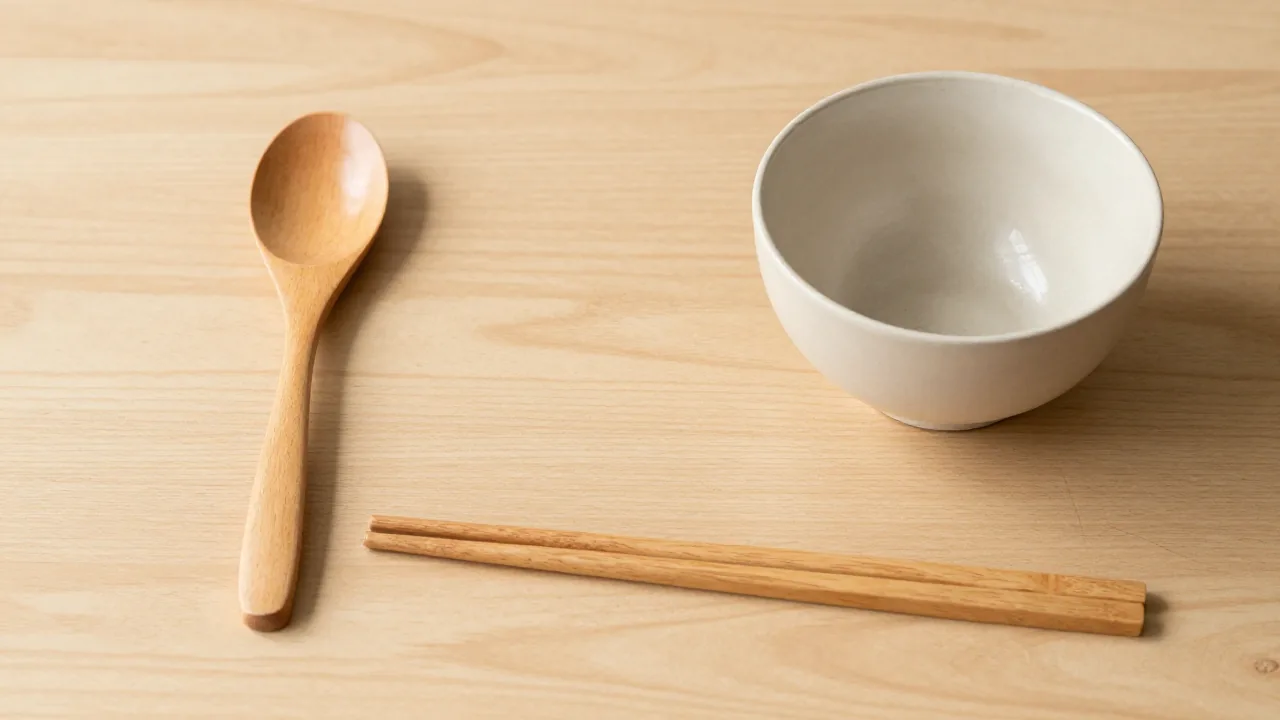
Fit each utensil to the bowl rather than the gift box
Check spoon-head size, handle reach, and the bowl opening together. A deep narrow bowl may make a wide spoon awkward. A long pair of chopsticks can be inconvenient at a small personal setting even if it looks impressive in a box. Try the intended arrangement without hot food first.
For a shared dish, serving utensils have a different role from a person's eating utensils. Plan that distinction rather than letting a coordinated set imply that all pieces should be used interchangeably. A chopstick rest can keep the eating pair organized, but it does not correct an unsuitable length or rough surface.
For a hypothetical soup meal, start with the spoon for the liquid and try chopsticks only for pieces that can be gripped comfortably. For a bowl of rice and vegetables, observe whether the piece size, surface, and bowl shape make gripping convenient. The photographs illustrate meal objects, not a rule that a particular food must be eaten with one utensil. If a person has difficulty with the grip or movement, an alternative utensil is a practical accommodation. There is no need to turn an ordinary task comparison into a test of cultural correctness or a claim about a person's ability.
Wood is a material category, not one finish
Wood species, construction, and coatings can vary across a set. Even pieces sold together may need different care. Look for an actual maker description and food-contact suitability rather than assuming that any decorative wooden object is an eating utensil.
Inspect the spoon rim and chopstick tips for splinters, cracks, and peeling finish. A photograph may conceal those surfaces. Avoid using a damaged piece because the other utensil still looks sound. The comparison should include condition and intended use, not only color or a claim that natural-looking materials are automatically safer.
Handle length and shape affect comfort differently. A spoon handle needs to let you reach the bowl without an awkward wrist position; chopsticks also need a stable lower stick and controlled movement of the upper one. A set that looks proportionate on a product page may feel different in use. If you are comparing utensils, describe the task you tried and which feature felt inconvenient instead of generalizing from one person's preference. This article does not prescribe a clinical grip exercise or a universal hand-size formula. Stop using a damaged utensil or a movement that causes pain.
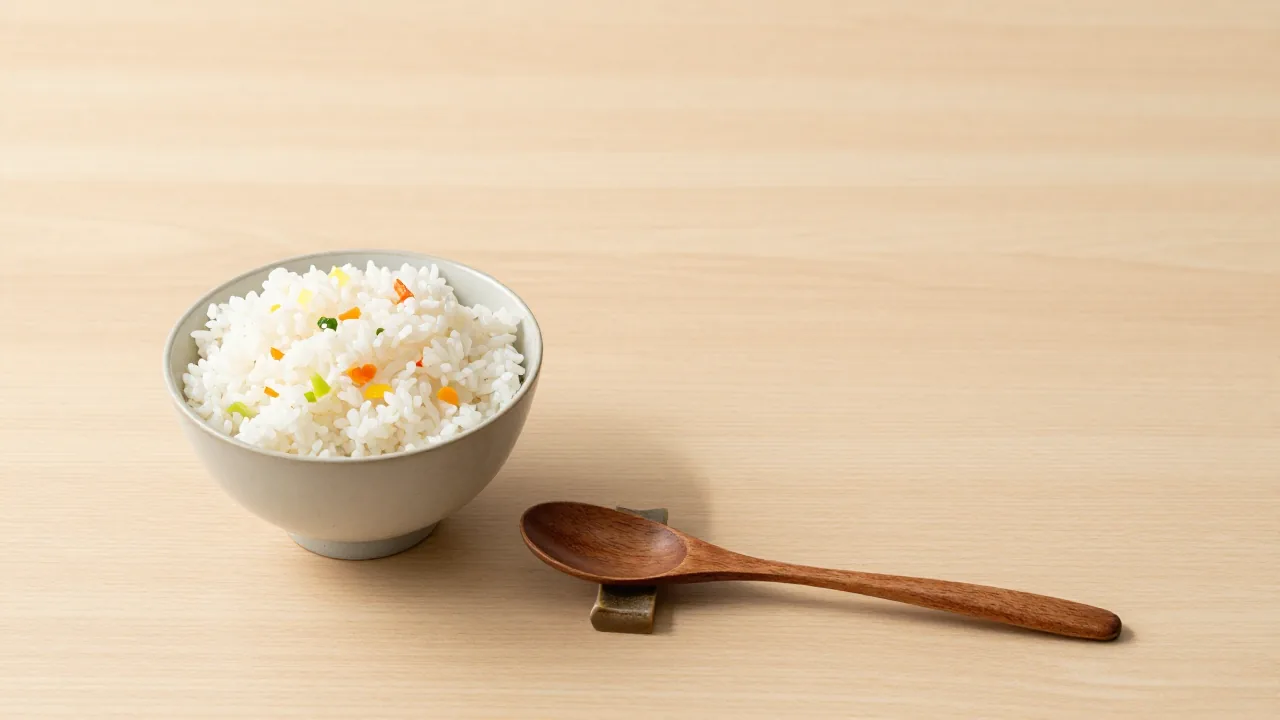
Care routines need to suit the actual coating
The FDA safe-food-handling guidance includes cleaning utensils with hot soapy water. For wooden pieces, also follow the manufacturer's restrictions on soaking, dishwasher use, and heat. General cleaning advice does not establish that an unknown coating tolerates every cleaning method.
After washing, arrange the pieces so they can dry rather than packing wet handles tightly together. Check the spoon bowl as well as the narrow chopstick tips. Do not invent a universal drying time: airflow, room conditions, and construction vary. A surface that appears dry does not prove every joint or crevice is dry.
Inspect the contact surfaces before discussing appearance. A rough spot, crack, loose coating, or damaged edge is a practical concern for a utensil that touches food and the mouth. A shiny finish does not by itself identify the coating or its approved use. Keep the manufacturer's material and care information when available, and avoid assuming that all wooden utensils are unfinished or that all finishes behave alike. If you cannot establish how a product should be cleaned, do not replace the missing instructions with a hot-water, soaking, dishwasher, or abrasive treatment simply because another wooden set tolerates it.
A mixed meal shows why both utensils can belong
Imagine a meal of broth, rice, and cooked vegetable pieces. The spoon handles broth; chopsticks handle the pieces that can be gripped comfortably. Neither needs to imitate the other. A diner may prefer a spoon for loose rice or another utensil altogether, and that practical preference does not require justification.
Keep the trial modest and use familiar food. If an item slips repeatedly, adjust the portion or utensil rather than tightening the grip until the hand hurts. For a new user, an easy, manageable solid is a better practice object than a tiny or difficult piece.
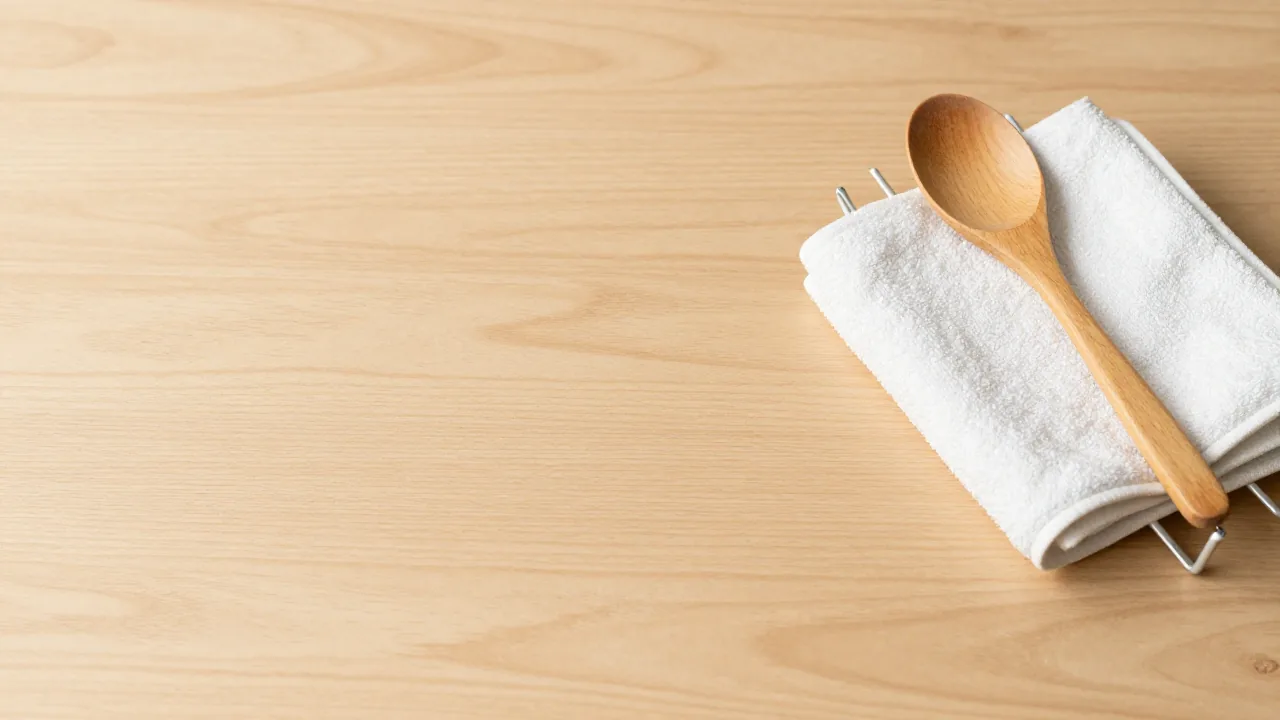
After ordinary cleaning under the relevant instructions, arrange the utensils so water does not remain trapped between contact surfaces. A spoon bowl resting flat against a wet towel and two chopsticks pressed together are different drying arrangements from separated items with air around them. The drying-rack photograph illustrates spacing, not a measured drying time. Do not promise that a certain number of minutes makes every utensil ready for storage. Check that the pieces are dry before enclosing them, and keep the storage area clean. General food-handling guidance supports hygiene, while product-specific instructions still govern the material's treatment.
Inspect an aging set before the next meal
Before the next meal, inspect both pieces under ordinary light. Compare smoothness at food-contact edges, any cracks, and the condition of the finish. A spoon that develops a rough rim and a chopstick with a split tip may require different replacement decisions.
Do not hide damage with a decorative explanation or an unverified home coating. Seek the maker's advice where appropriate and stop using visibly damaged pieces. A well-matched set is ultimately one whose separate utensils remain suitable for their separate tasks, not one that merely retains a coordinated appearance.
The spoon and chopsticks work well together when their differences are respected. Choose for the meal, inspect each surface, and let care follow the actual finish rather than the coordinated appearance.
A small comparison note can make a replacement decision clearer: record the meal task, the handle or tip feature, the condition of the surface, and the care instruction. This keeps an attractive matching set from concealing differences between its pieces. If the spoon remains usable but the chopsticks are damaged, evaluate that damage rather than assuming that the whole set must age together. Conversely, a shared appearance is not evidence that a replacement piece is identical. The aim is a usable, appropriately maintained utensil for the particular task, not a purchase promise, a brand recommendation, or a claim that wood is always the best material.
Food action and utensil fit
- Meal action -> bowl fit -> confirmed material/finish -> cleaning instructions -> drying arrangement -> condition check for each piece.
FAQ: Wood spoons and chopsticks
Do I need both utensils for every meal?
No. Let the food and your preference determine which actions are useful.
Can a wood spoon replace chopsticks for noodles?
It may support some food, but a spoon and gripping pair perform different actions. Choose a comfortable utensil for the actual portion.
Are matching wooden sets always dishwasher safe?
No. Suitability depends on construction, coating, and maker instructions.
Should wet utensils be kept in a closed gift box?
Allow appropriate drying before storage. A presentation box is not necessarily a drying rack.
What if only one item is damaged?
Evaluate each separately. A sound matching piece does not make a splintered or cracked utensil suitable for eating.