 Chopsticks Guide
How to Grip Chopsticks: Stable Base, Moving Top, and Practice
How to Grip Chopsticks: Stable Base, Moving Top, and Practice with practical checks, facts, boundaries, FAQ, and related internal guides.
Quick Answer: To grip chopsticks, keep the lower chopstick steady against the ring finger and move the upper chopstick with the thumb, index finger, and middle finger. Practice the motion slowly before using small or slippery food.
Grip tutorial facts
- Stable part
- The lower chopstick usually stays still.
- Moving part
- The upper chopstick opens and closes.
- Practice food
- Large soft pieces are easier first.
- Mistake
- Crossing tips often means the base shifted.
- Safety
- Stop if grip causes pain or sharp slipping.
Build the lower chopstick as a stable base
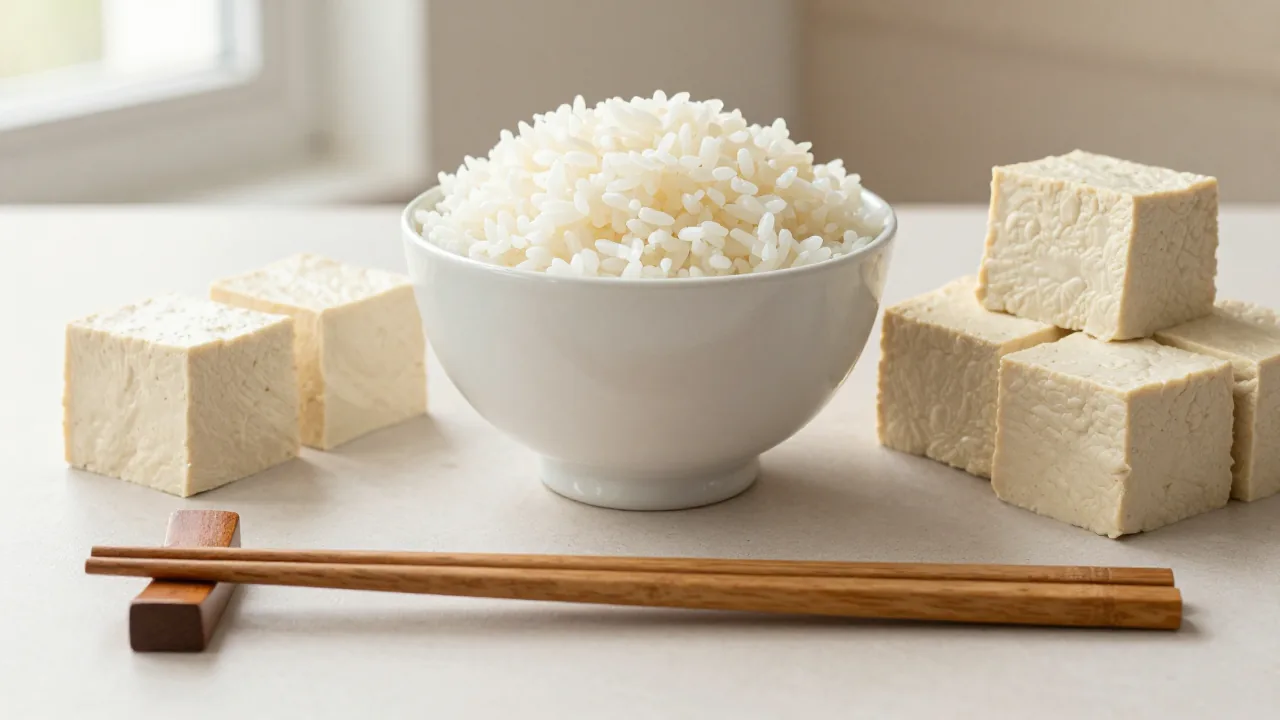
A good grip starts with the lower chopstick. It rests against the ring finger and the base of the thumb so it can support food without moving much.
If the lower stick slides, the whole grip feels unstable. Adjust the angle before practicing the upper-stick motion.
This base is not meant to pinch by itself. It gives the moving chopstick something steady to close against.
Move the upper chopstick like a pencil
The upper chopstick is the active part. Hold it with the thumb, index finger, and middle finger in a way that feels close to holding a pencil.
Open and close only the upper stick at first. If both sticks move, slow down and reset the base.
Short practice motions build control before food enters the exercise.
Practice with large pieces before slippery food
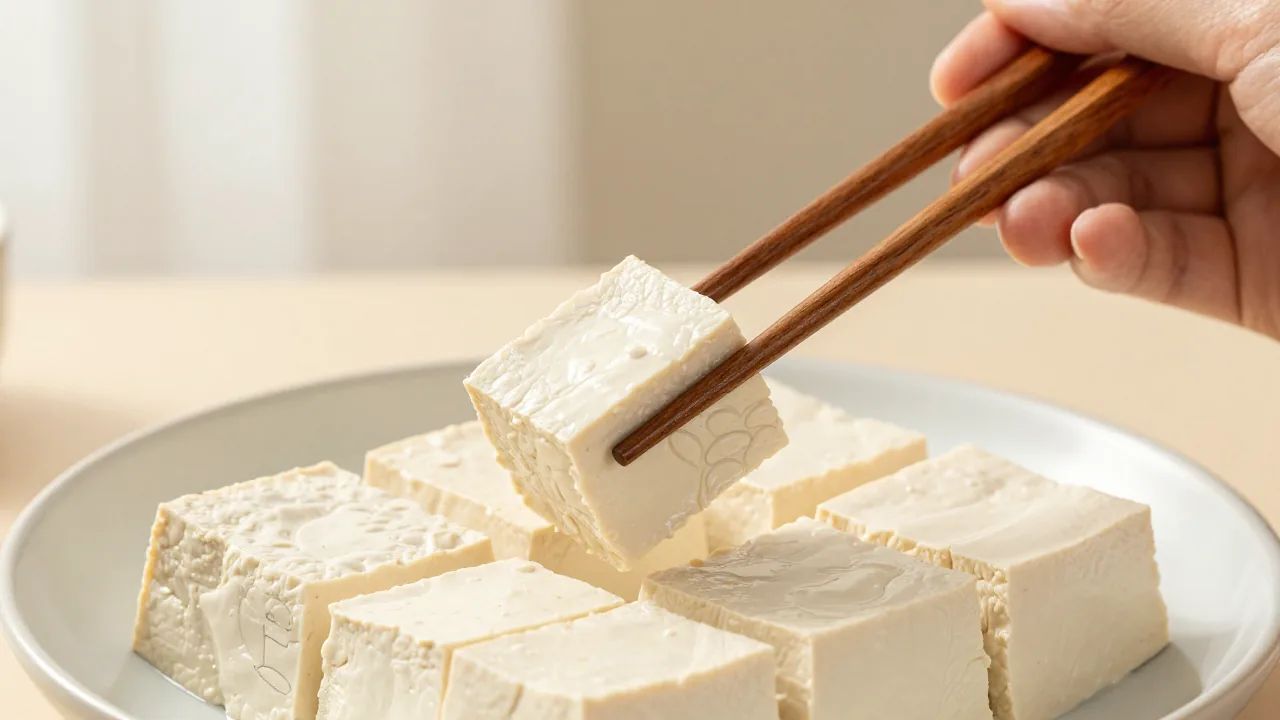
Large tofu cubes, soft vegetables, or folded napkin pieces are easier than tiny grains or slippery noodles.
The goal is not speed. It is to feel the tips meet evenly while the lower stick stays stable.
Once the motion becomes repeatable, move to smaller or lighter pieces.
Troubleshoot crossing tips and hand tension
Crossed tips often mean the lower chopstick shifted or the upper chopstick is being squeezed too hard.
Hand tension usually increases when the reader tries to force the pinch. Loosen the grip and reset the base before continuing.
Pain is a stop sign. Practice should build control, not strain.
Use aids only as temporary training
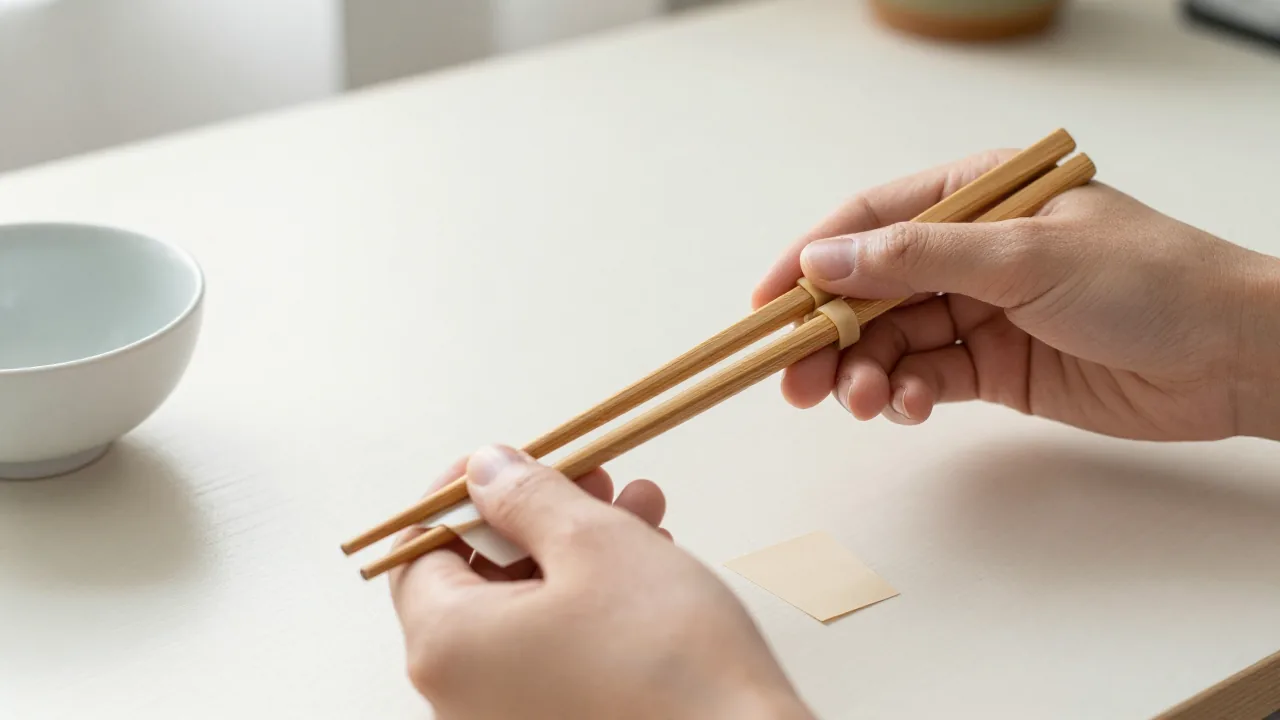
Rubber-band or spacer aids can help some beginners understand the opening motion, but they should not become the permanent grip.
Use aids with supervision when children are involved and remove them gradually as control improves.
A normal grip is the end goal: stable base, moving top, relaxed hand, and clean tip alignment.
How to Grip Chopsticks checklist
- Set the lower chopstick first.
- Move only the upper chopstick.
- Practice without food.
- Use large soft pieces next.
- Stop for pain or sharp slipping.
How to Grip Chopsticks questions
Where should the lower chopstick sit?
It usually rests against the ring finger and thumb base as the stable support.
Which chopstick moves?
The upper chopstick moves while the lower one stays mostly still.
Why do the tips cross?
The base may have shifted or the hand may be squeezing too hard.
What should I practice with first?
Use larger soft pieces before small or slippery food.
Are training aids okay?
They can be temporary aids, but they are not a permanent replacement for grip practice.