 Chopsticks Guide
Metal Chopsticks vs Wood: Grip, Heat, and Cleaning Differences
Learn when metal chopsticks work well, why they can feel slippery, and how to handle grip, heat, cleaning, and storage.
Quick Answer: Metal chopsticks can be durable and easy to clean, but they often feel heavier and more slippery than wood or bamboo. Use textured tips, avoid heat transfer, and choose practice foods that let the tips meet cleanly.
Metal chopstick facts
- Common material
- Stainless steel is common, but surface texture varies.
- Grip feel
- Smooth metal can feel slippery, especially with wet or oily food.
- Heat
- Metal can transfer heat faster than wood or bamboo.
- Cleaning
- Non-porous metal is usually easy to wash, subject to product instructions.
- Best beginner feature
- Textured tips can make practice easier.
Expect a different grip from wood or bamboo
Metal chopsticks often feel thinner, cooler, and heavier than wood or bamboo. The biggest beginner surprise is not weight alone; it is the way smooth tips slide on wet food.
If you are learning, choose larger pieces first and check whether the tips meet cleanly. A textured tip helps because it gives the food more contact.
Do not judge your technique from one slippery meal. The material changes feedback.
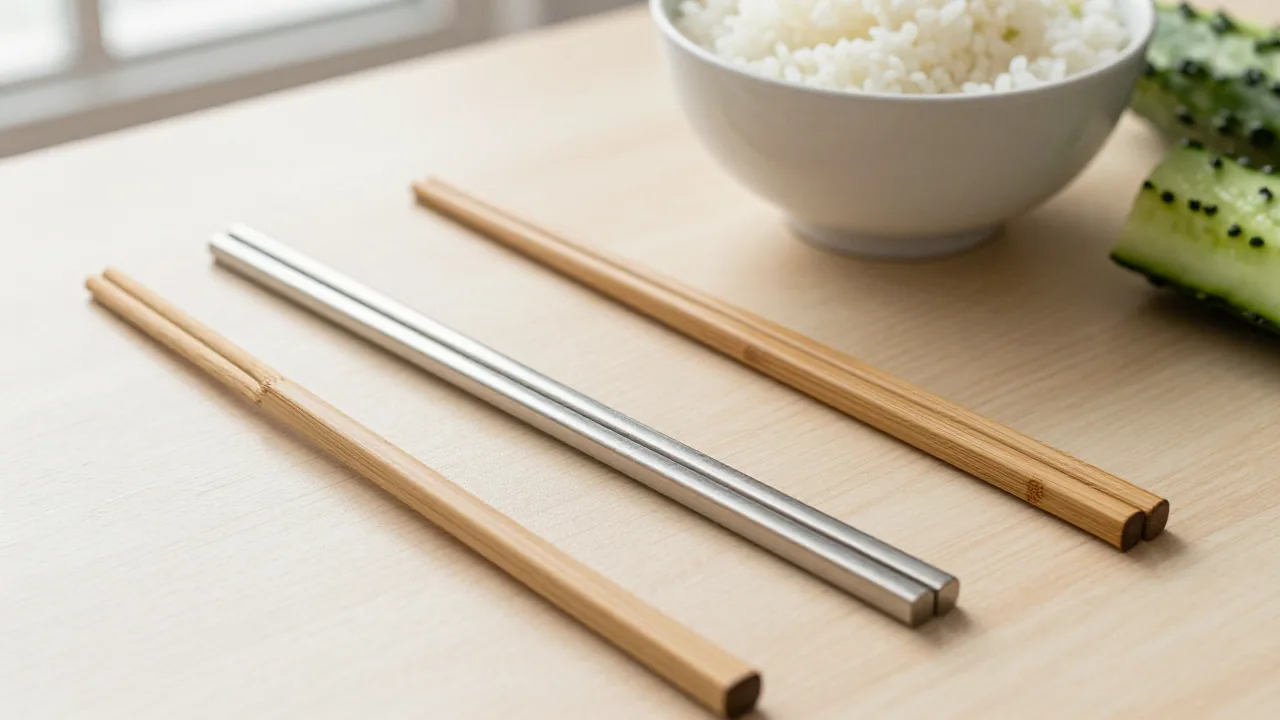
Watch heat transfer at the table
Metal conducts heat more readily than wood or bamboo. That matters when chopsticks sit in a hot bowl, touch sizzling cookware, or rest near soup.
Use common sense: do not leave metal chopsticks in hot cookware, and pause if the grip area feels hot. For children or beginners, a cooler material may be easier.
This is a practical handling point, not a reason to avoid metal in every setting.
Choose texture before decoration
Decorative handles can look appealing, but the tip texture controls much of the eating experience. Very smooth tips may be harder with noodles, rice, or glossy vegetables.
Look for a shape and finish that keep the sticks aligned in your hand. Flat Korean-style metal chopsticks can feel different from round ones, so practice slowly if the shape is new.
The best pair is the one you can control safely with the food you actually eat.
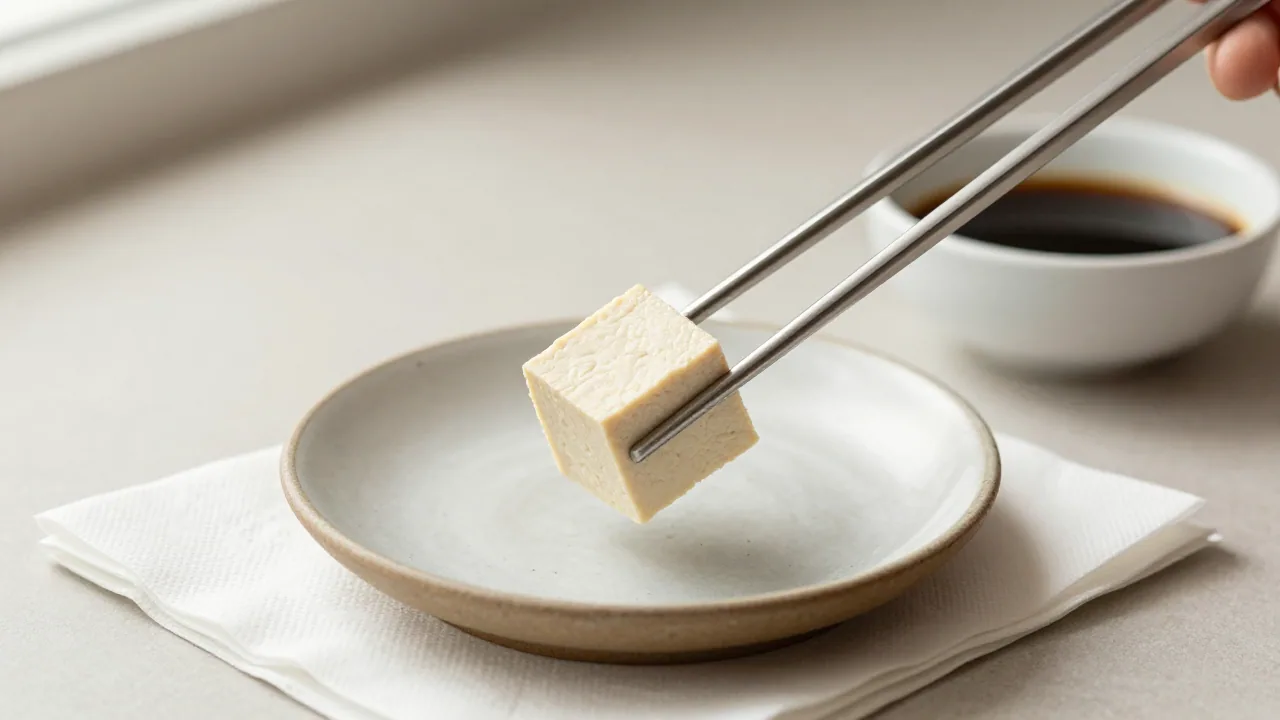
Clean and dry metal chopsticks without assuming indestructible
Metal is easy to clean compared with porous materials, but it still needs drying and storage. Food residue can collect near decorative grooves, seams, or textured tips.
Follow the product instructions for dishwasher use. If the pair has coating, paint, inlay, or mixed materials, cleaning rules may differ.
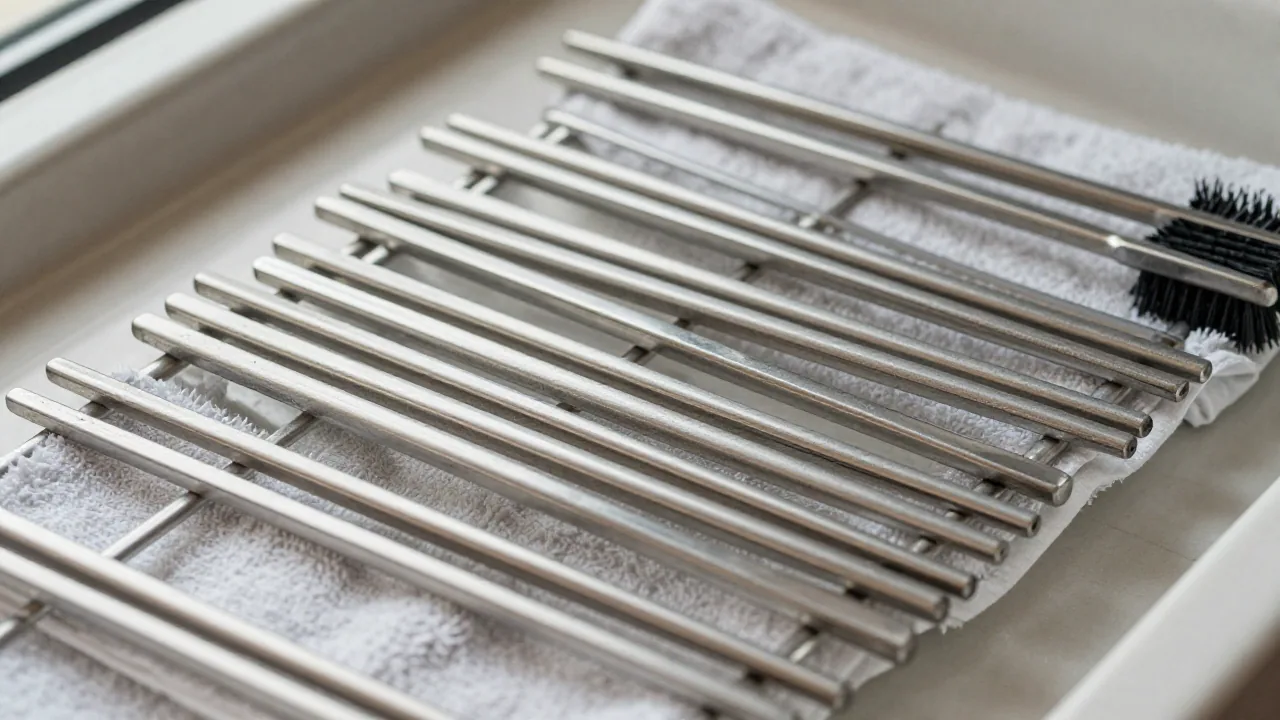
After washing, dry before storage so the drawer or holder stays clean and the tips remain easy to inspect.
A simple drying routine also gives you a moment to check whether the tips are still straight, whether textured grooves are clear, and whether any mixed-material handle needs gentler care than the metal body.
Use metal chopsticks where their strengths fit
Metal chopsticks work well when durability, repeat washing, and a slim feel matter. They may be less comfortable for a first lesson or for slippery foods.
A practical kitchen can keep more than one material. Use bamboo or wood for early practice, then bring metal in when the grip feels stable.
That approach avoids turning material choice into a ranking and keeps the focus on safe, controlled eating.
Metal chopstick checks
- Check tip texture before buying or practicing.
- Start with large, dry food pieces.
- Keep metal away from hot cookware handles and surfaces.
- Follow cleaning instructions for coatings or mixed materials.
- Dry before storage and inspect grooves or seams.
Metal chopstick questions
Are metal chopsticks harder to use?
They can be harder for beginners if the tips are smooth or the food is slippery. Textured tips and larger foods help.
Do metal chopsticks get hot?
They can transfer heat faster than wood or bamboo, so avoid leaving them in hot cookware or soup.
Are metal chopsticks easy to clean?
Generally yes, but grooves, coatings, or mixed materials may need special care. Follow the product instructions.
Are Korean metal chopsticks different?
Many Korean-style metal chopsticks are flatter and can feel different in the hand. Practice slowly if the shape is new.
Are metal chopsticks always better than bamboo?
No. Each material has tradeoffs. Metal is durable and washable, while bamboo or wood may feel easier for early grip practice.