 Chopsticks Guide
Chopstick Meaning: Tool, Culture, and Gift Context
Quick Answer: The basic meaning of chopsticks is practical: they are paired eating utensils. A broader cultural meaning only becomes clear when you know the place, period, material, maker, and occasion. A metal pair in a museum collection, disposable bamboo sticks at lunch, and a boxed gift set should not be assigned one universal message.
Quick facts before interpreting a pair
- Primary function
- Paired eating utensils
- Meaning depends on
- Place, period, material, and occasion
- Gift evidence
- Giver, event, note, or documented source
- Object evidence
- Material, form, provenance, and date
- Limit
- No universal luck or relationship message
Start with what can be observed. Count the sticks, identify the material if possible, note whether they are used, displayed, collected, or given, and record any known regional setting. Those details are evidence. A claim about luck, status, marriage, or identity is an interpretation that needs its own source.
The word itself does not guarantee a symbolic reading. Cambridge University Press describes Q. Edward Wang's Chopsticks as a history of the utensil, its relationship with foodways, and its cultural meanings in different societies. The plural matters: meanings developed in more than one context rather than as one fixed code.
Quick Reference: separate the observable object from any cultural interpretation before deciding what a pair means.
| What you see | What it can establish | What it cannot establish alone |
|---|---|---|
| A matched pair | Two utensils intended to work together | A universal marriage symbol |
| Metal, bamboo, wood, or lacquer | Material and likely care needs | The owner's identity or status |
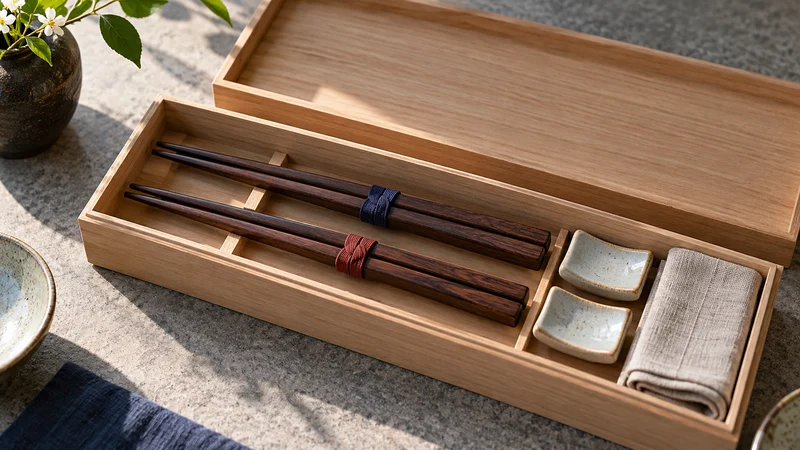
| A presentation box | The set was prepared for storage or giving | The exact intended message |
| A restaurant wrapper | A dining setting and possibly a business | A culture-wide tradition |
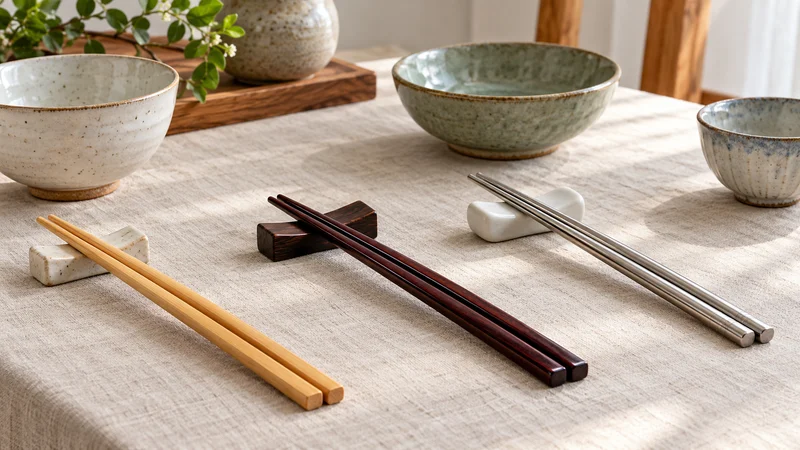
The first meaning is use at a meal
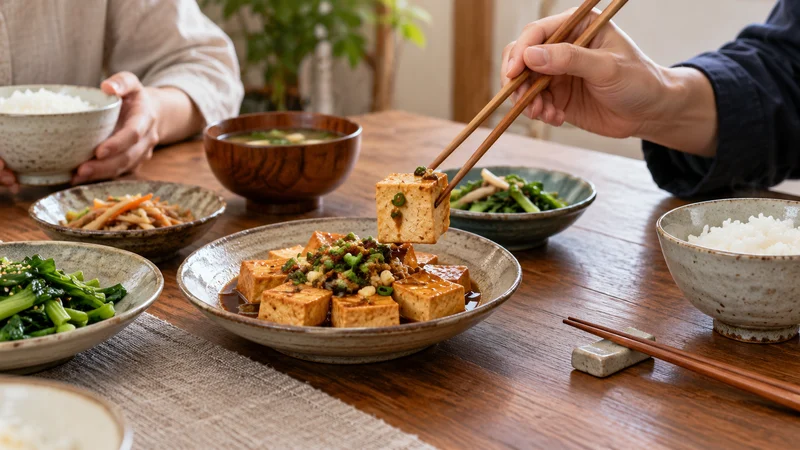
Chopsticks work as a pair because one stick supports the grip while the other helps close the tips around food. That functional relationship is the safest starting point for the word “meaning.” It explains why a single stick is incomplete as an eating tool without turning the pair into a prediction or personality label.
The eating context also changes what matters. Length, tip shape, weight, and surface affect handling. A polished metal pair may feel different from bamboo, while lacquer can change care instructions. These are physical differences, not evidence that one material carries the same social meaning everywhere.
When the question is practical, use a practical page. The site's metal chopsticks guide compares handling and care, while the chopstick rest guide explains where to place a pair during a meal. Neither page needs a symbolic claim to be useful.
Historical objects need labels, dates, and provenance
A museum object can show that a particular material and form existed in a documented collection. It cannot, by itself, explain what every person in that place believed. The Cleveland Museum of Art, for example, catalogs individual chopstick objects with a historical period and material context. That is evidence about the object, not a universal definition of chopsticks.
For an old or inherited pair, write down any box, maker's mark, receipt, family note, location, and approximate date before interpreting it. Photograph the pair and its storage separately. If writing is present, obtain a reliable reading instead of guessing from the shape of the characters.
Provenance is especially important when valuable materials are claimed. Color and weight are not enough to identify ivory, precious metal, rare wood, or age. Do not sell, insure, or conserve an object based only on an online resemblance. Ask a qualified museum, conservator, or relevant specialist when the decision has legal, financial, or preservation consequences.
A gift set gets its meaning from the giver and occasion
Chopsticks can be presented as gifts, but “gift” is a use category, not a single message. Korea.net has documented chopstick sets being used as official presents in a specific modern context. That supports the narrower point that chopsticks may function as cultural gifts; it does not prove that every boxed pair promises prosperity, romance, or good fortune.
If you receive a set, the most reliable interpretation comes from the giver's words, the occasion, and any accompanying note. A wedding, housewarming, business visit, holiday, or souvenir purchase creates a different context. When no explanation is available, describe it modestly as a chopstick gift set rather than inventing a blessing.
Check that the recipient can use the pair comfortably and that the finish is suitable for food. A thoughtful gift does not require a fabricated legend.
Material changes the object, not a universal message
Bamboo, unfinished wood, lacquered wood, stainless steel, and other materials have different histories and maintenance needs. Material can indicate construction and use, but interpretation still requires provenance. Even two metal pairs may differ in shape, date, region, and intended setting.
Avoid reading price or moral value directly from material. Disposable bamboo may suit a temporary meal; a durable reusable pair may suit home use; a decorative set may be intended mainly for display. Those choices can reflect convenience, design, care, and budget without revealing a person's character.
For modern products, rely on the maker's current care instructions and food-contact information. Museum descriptions help with documented objects, while product pages address current manufacturing claims. Do not use one kind of source to answer the other kind of question.
Four questions keep the interpretation honest
Use this short sequence when someone asks what a pair of chopsticks means:
- What is the object? Record the number of sticks, dimensions, material, finish, and condition.
- Where is it being used? Separate an everyday meal, restaurant setting, ceremony, museum collection, and gift exchange.
- What source connects it to a meaning? Prefer a dated museum record, historical study, maker statement, or the giver's direct explanation.
- What remains unknown? State uncertainty instead of filling it with a familiar online slogan.
This method preserves cultural context without flattening different communities into one rule. It also makes corrections easy: if a translation, date, or material identification changes, the original observation remains available.
Questions about chopstick meaning
Do chopsticks always symbolize a couple?
No. Two sticks are functionally paired eating utensils. A relationship meaning may be used in a particular gift or ceremony, but it should be tied to that source and occasion rather than treated as universal.
Are chopsticks a symbol of luck?
Not automatically. A giver, product, or local tradition may attach a good-wish message to a set. Without that evidence, describe the object and context instead of promising luck.
What does a metal pair mean?
Metal identifies a material, not one fixed social message. Shape, date, provenance, and dining setting provide the evidence needed for a narrower interpretation.
How should I describe inherited chopsticks?
Record the pair's material, box, markings, known owner, place, and approximate date. Keep family memory separate from facts confirmed by documents or a specialist.