 Chopsticks Guide
How to Eat Natto with Chopsticks: Small Bites and Fewer Strings
Quick Answer: To eat natto with chopsticks, loosen and mix the beans in a stable small bowl, add seasoning to taste, then lift a modest portion while keeping it close to the bowl. Do not try to pinch every slippery bean separately. If long threads or an unfamiliar grip make the meal frustrating, put a little natto on rice or use a spoon instead.
Set up a small bowl beside the rice
Natto is fermented soybeans. The Japanese agriculture ministry's traditional-food entry describes its soybean base and preparation. This guide concerns sticky, ready-to-eat natto, not dry roasted soybeans or an instruction for fermenting beans at home.
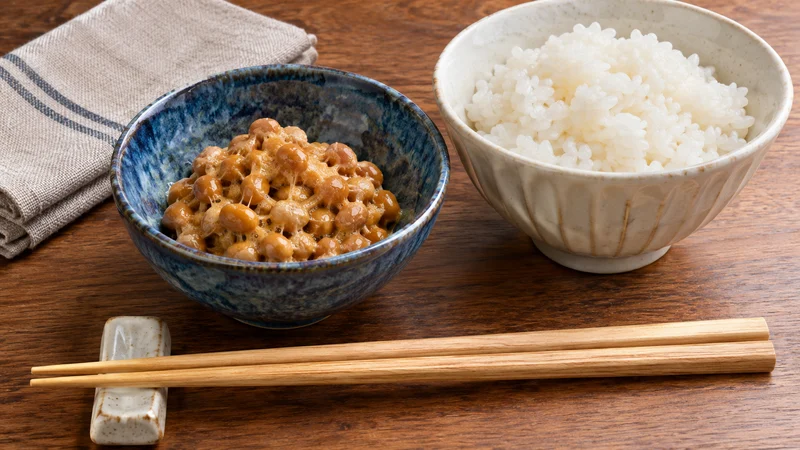
Keep the container stable before you start. Remove any sauce or mustard packets and the inner film so they cannot get tangled in the chopsticks. If the lightweight tray flexes or slides, transfer the beans to a small bowl. Natto Power's eating guide specifically suggests a separate bowl for people who are not yet comfortable mixing in the package.
Place rice, if wanted, beside that bowl rather than across the table. Leave enough space to rest the chopsticks without dragging sticky tips over a napkin or another person's place setting. The chopstick rest guide covers choosing a stable resting position; a rest is not a substitute for washing the utensils afterward.
Check the product's ingredient and storage instructions, including those for its seasoning. Do not assume every included sauce has the same ingredients. If you have already been told by a clinician to avoid natto, changing the utensil does not change that advice.
Quick Facts
- Natto food base
- Fermented soybeans
- Natto texture
- Sticky beans and fine threads
- Natto mixing method
- Preferred mouthfeel, not a fixed count
- Natto first-bite setup
- Stable small bowl and modest portions
Mix for texture, not a magic stir count
Use the chopstick tips together to stir the beans within the bowl. Keep the bowl steady with your other hand and use a motion small enough that the beans remain inside the rim. This is a mixing action; it is different from opening and closing the tips to pick up a bite.
Continue until the compact mass loosens and the texture suits you. There is no required hundred-stir test to pass before eating. Takano Foods' FAQ about mixing explains that stirring gathers the sticky material around the beans and incorporates air, changing the mouthfeel; it advises mixing to preference. This is a texture choice, not a reason to claim that more stirring makes the food medically better.
Add a little of the supplied seasoning or another topping you have checked, mix again and taste before adding more. Natto Power presents mixing followed by seasoning as a common sequence. It is a useful starting point, not a universal rule for every household or product. You can leave mustard out if you dislike it.
Lift a small portion close to the bowl
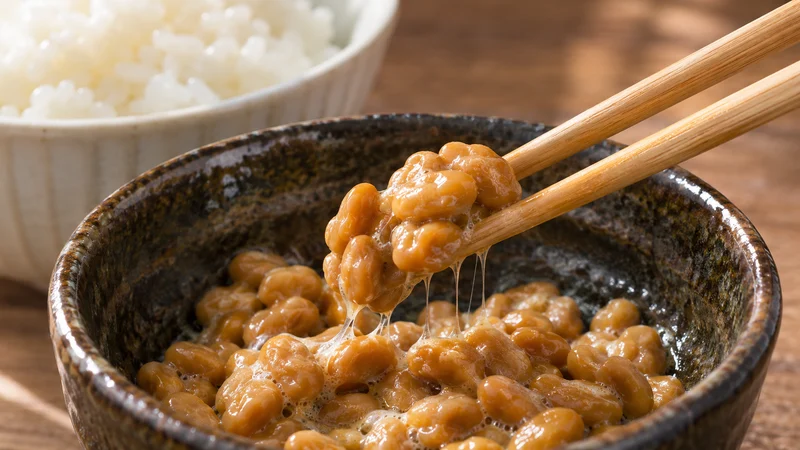
After mixing, return to your normal eating grip. Bring the tips together around a small cluster near the surface. Lift only enough to clear the bowl's rim, keeping the portion supported between the tips. A very large clump is harder to control and stretches more threads across the gap.
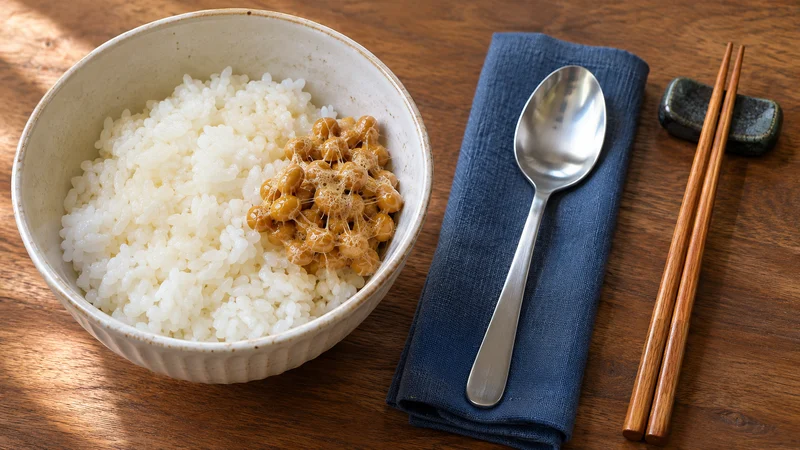
If you are serving it with rice, place a little on one side of the rice first. Gather a small bite from that area instead of trying to balance an entire serving at once. Keeping some plain rice separate also lets a first-time eater adjust how much natto is in the next mouthful.
Move the bite over your own bowl rather than over shared dishes. If a thread trails behind, pause near the rim and let it settle back before moving farther away. Lowering the bite is preferable to repeatedly lifting it higher in an attempt to make the thread disappear. Do not treat a completely thread-free bite as the measure of success: stickiness is part of this food.
When beans slip or threads stretch
Change one part of the setup rather than squeezing the chopsticks harder. Excess pressure can make control worse without solving the long transfer distance or oversized portion.
Swipe or scroll horizontally to see all columns.
| What happens | Adjustment to try | What not to assume |
|---|---|---|
| The tray slides during stirring | Move the natto to a stable small bowl | Faster stirring is not necessary |
| Individual beans keep escaping | Gather a modest cluster or put some on rice | You do not need to catch every bean separately |
| Threads reach across the table | Shorten the lift and keep the bowl nearby | A higher lift does not remove stickiness |
| Your hand feels strained | Set the pair down, relax and use a spoon if helpful | Enduring pain is not part of learning |
Utensil shape and a comfortable grip matter more than buying a dedicated novelty accessory. The Japanese wooden chopsticks guide discusses shape and finish choices; it does not establish that one material is always best for natto. Use a pair you can already control, then judge the actual tip alignment and comfort.
Quick reference before the next bite
Keep the bowl stable, mix to your preferred texture, season gradually and lift a small portion. Put natto on rice if that makes the transfer easier. Use a spoon when you need one, and keep used utensils within your own setting. These are practical serving choices, not a claim that one household's way is the only authentic method.
First-time natto questions
Must I mix natto exactly one hundred times?
No. Takano Foods advises mixing to preference and describes a change in texture. This guide does not prescribe a stir count or promise added health benefits from extra stirring.
Can I use a spoon instead?
Yes. A spoon is a practical alternative when grip, mobility or the sticky texture makes chopsticks inconvenient. You can still mix in a bowl and serve a small amount with rice.
Do I need to pick up each bean separately?
No. Try a manageable cluster rather than chasing single beans. Reduce the portion or support it with rice if it slips from the tips.
Should I add all the sauce and mustard first?
You do not have to use all of either. Check the ingredients, add a little according to your taste and product directions, then adjust. The mixing-then-seasoning order described here is a starting option, not a mandatory national rule.